Independent redesign concept by Tudouke Not commissioned or endorsed by Children’s Corner Learning Centre
Children’s Corner Ringwood learning space

Your partners in learning

Big discoveries begin in a safe little corner.

At Children’s Corner Learning Centre we strongly believe in providing an environment for children where they feel safe, secure and supported.

Mon–Fri7:00am–6:30pm
Ringwood64 Wonga Road
Family ownedPurpose-built centre

Growing in every direction

A place to feel secure, follow curiosity and become capable.

We strive to create an ideal learning environment for each child to develop socially, emotionally, physically and intellectually, ensuring that our practices are responsive to the needs and involvement of our children and families.

See what the centre offers
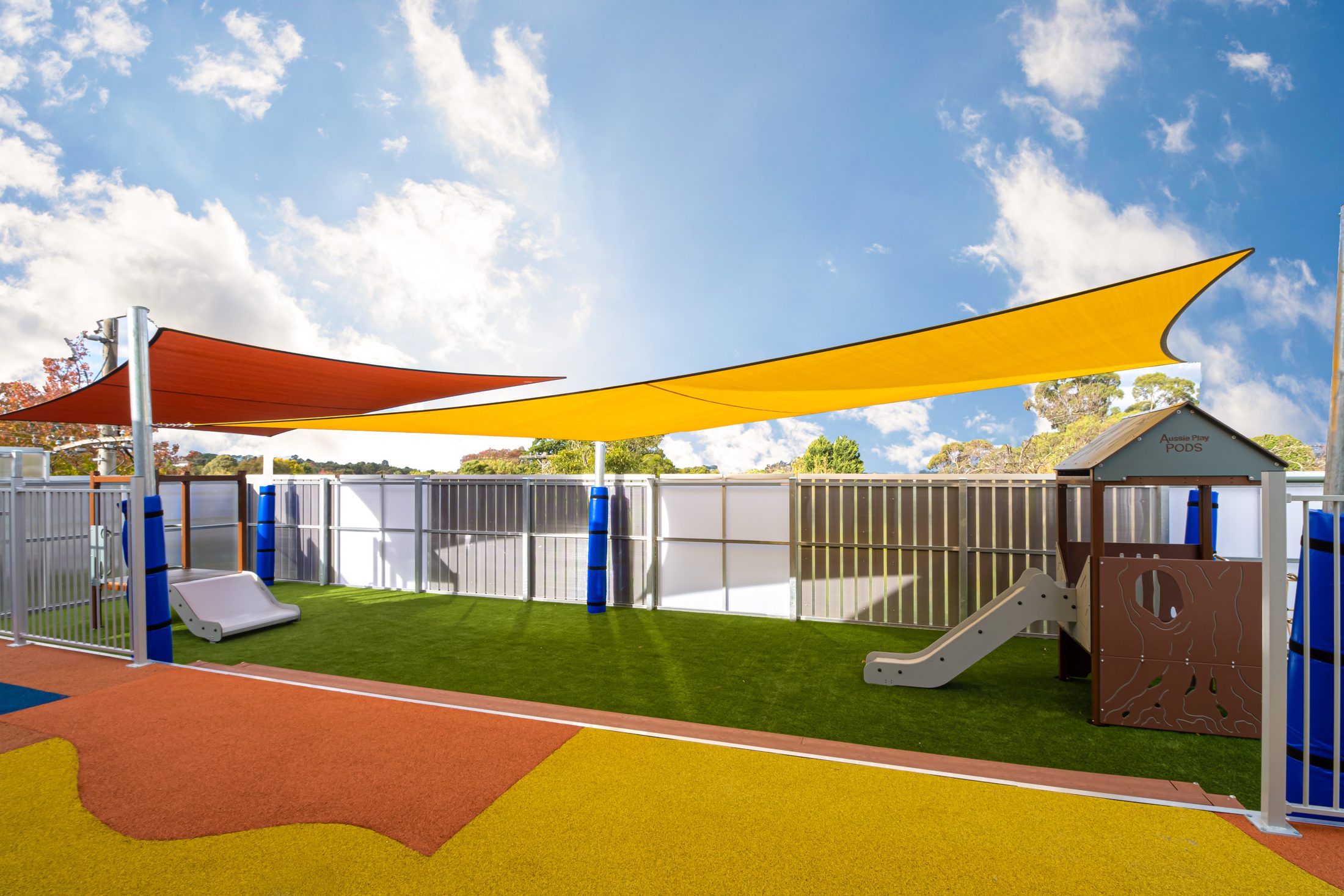
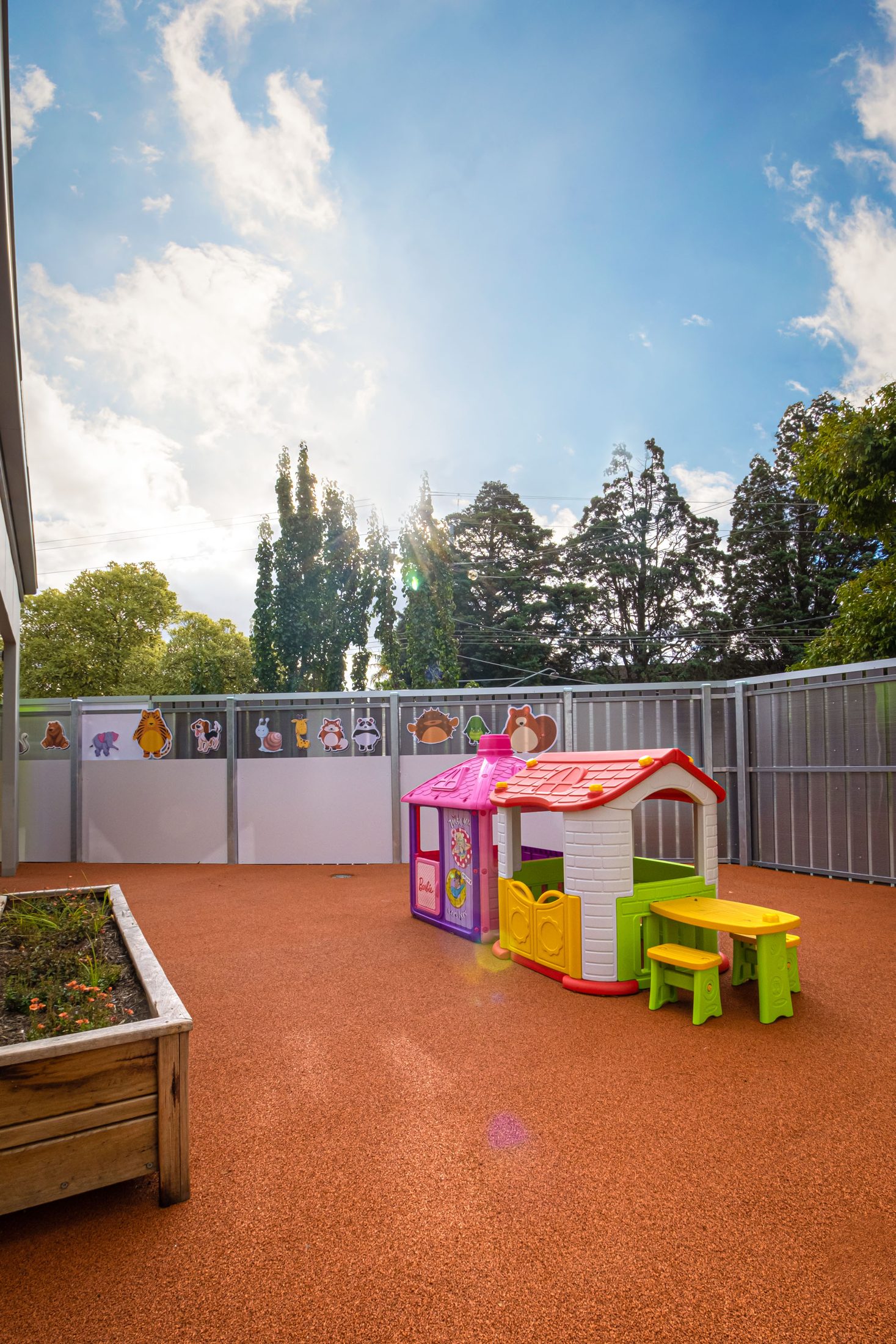
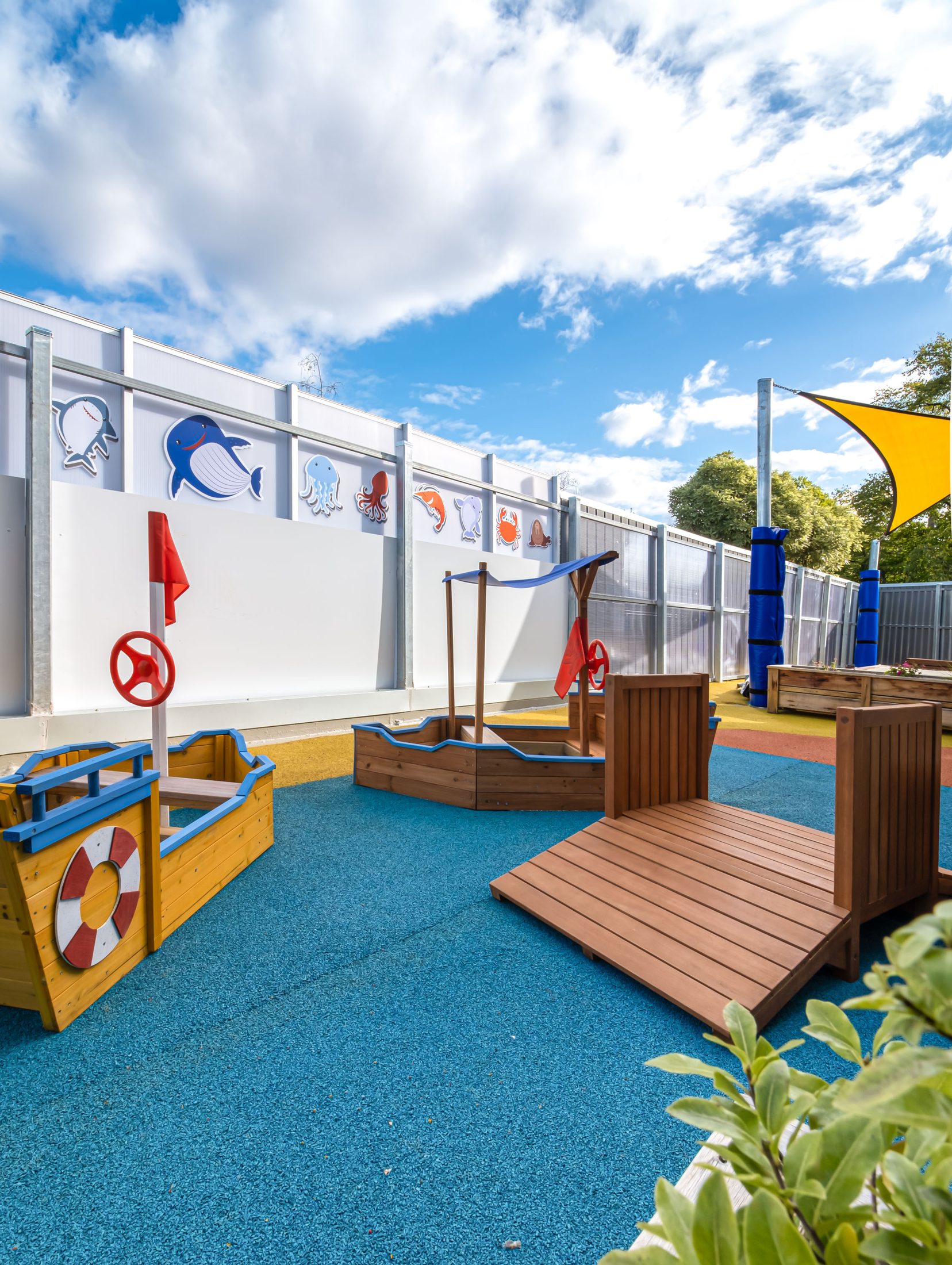
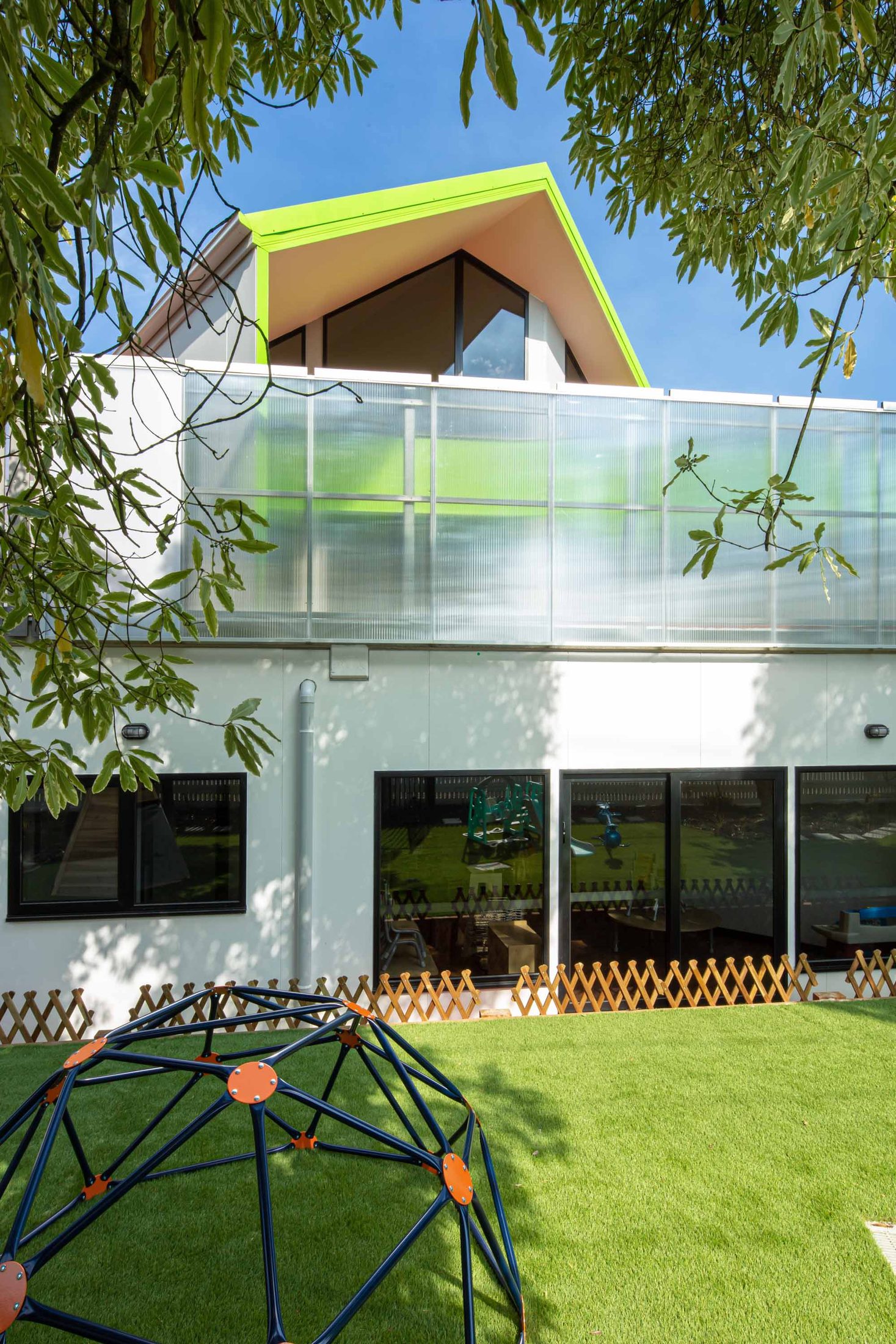
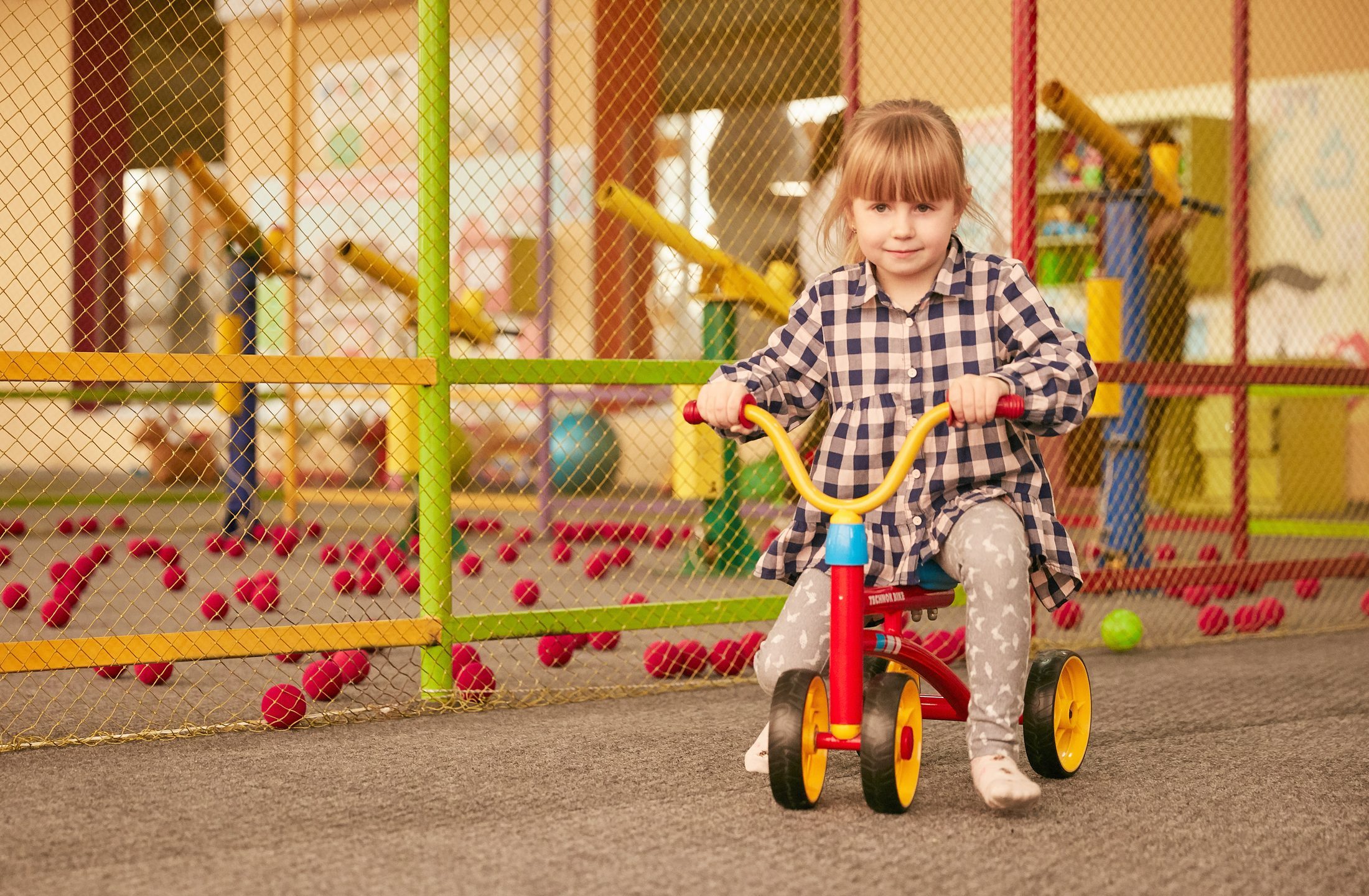
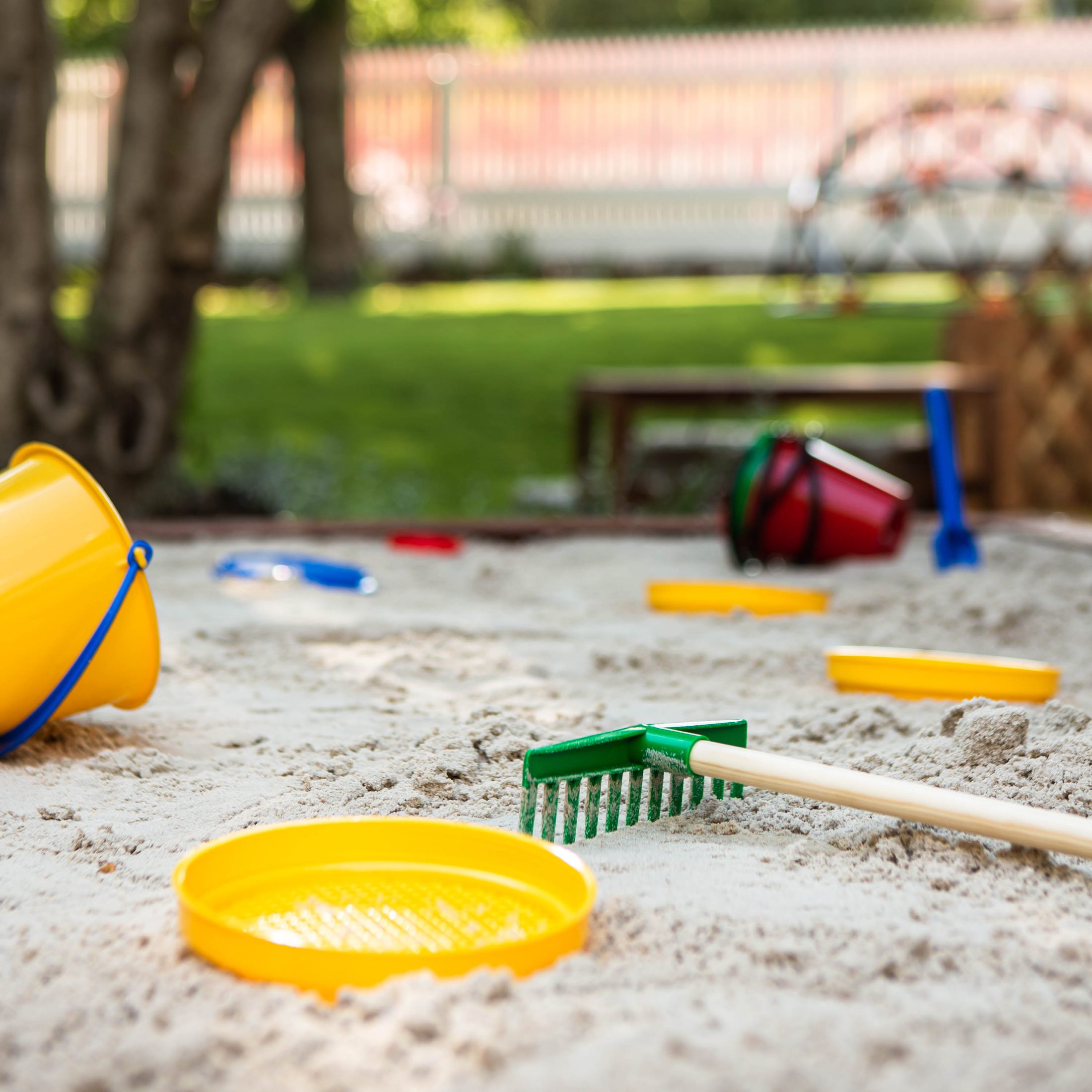
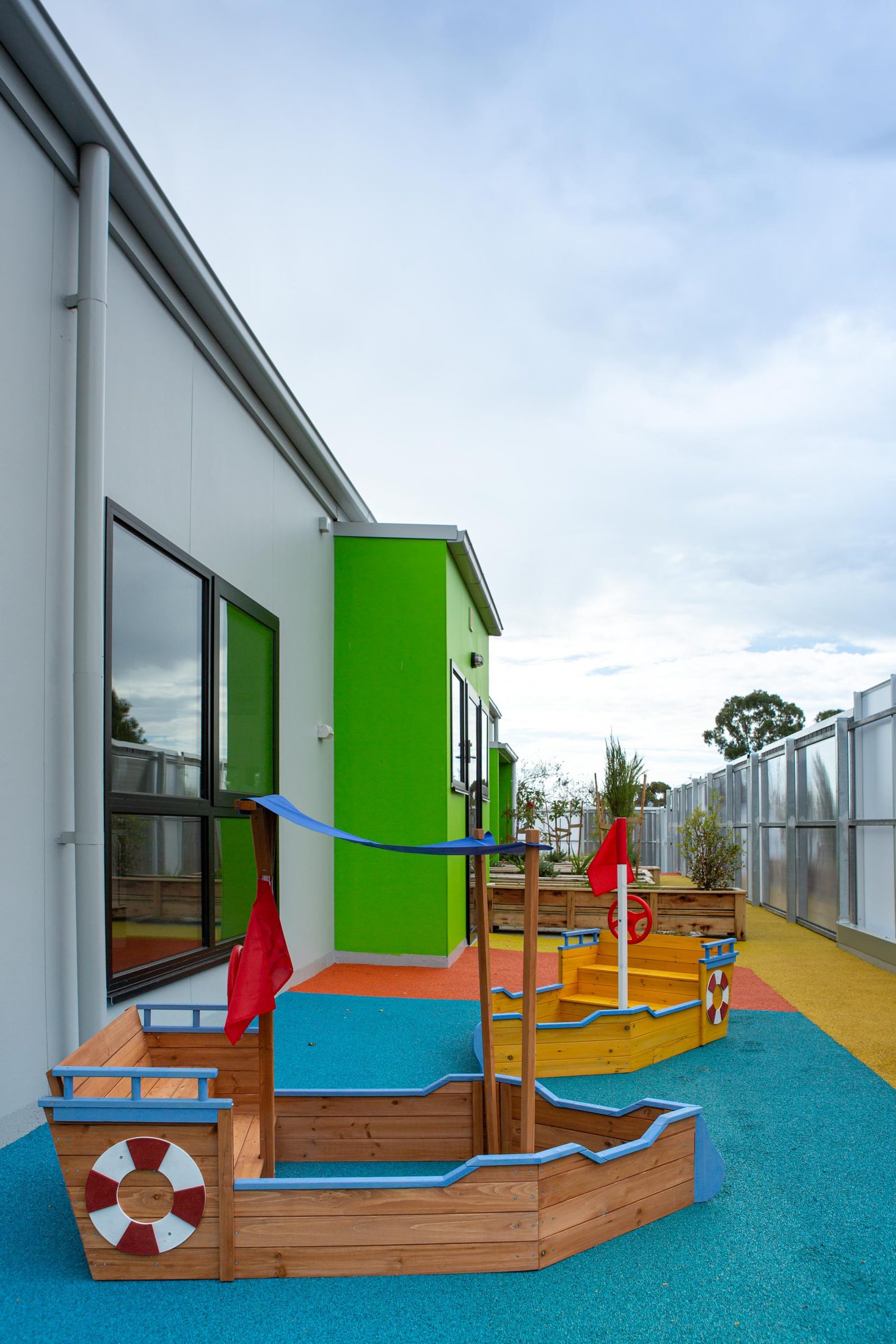
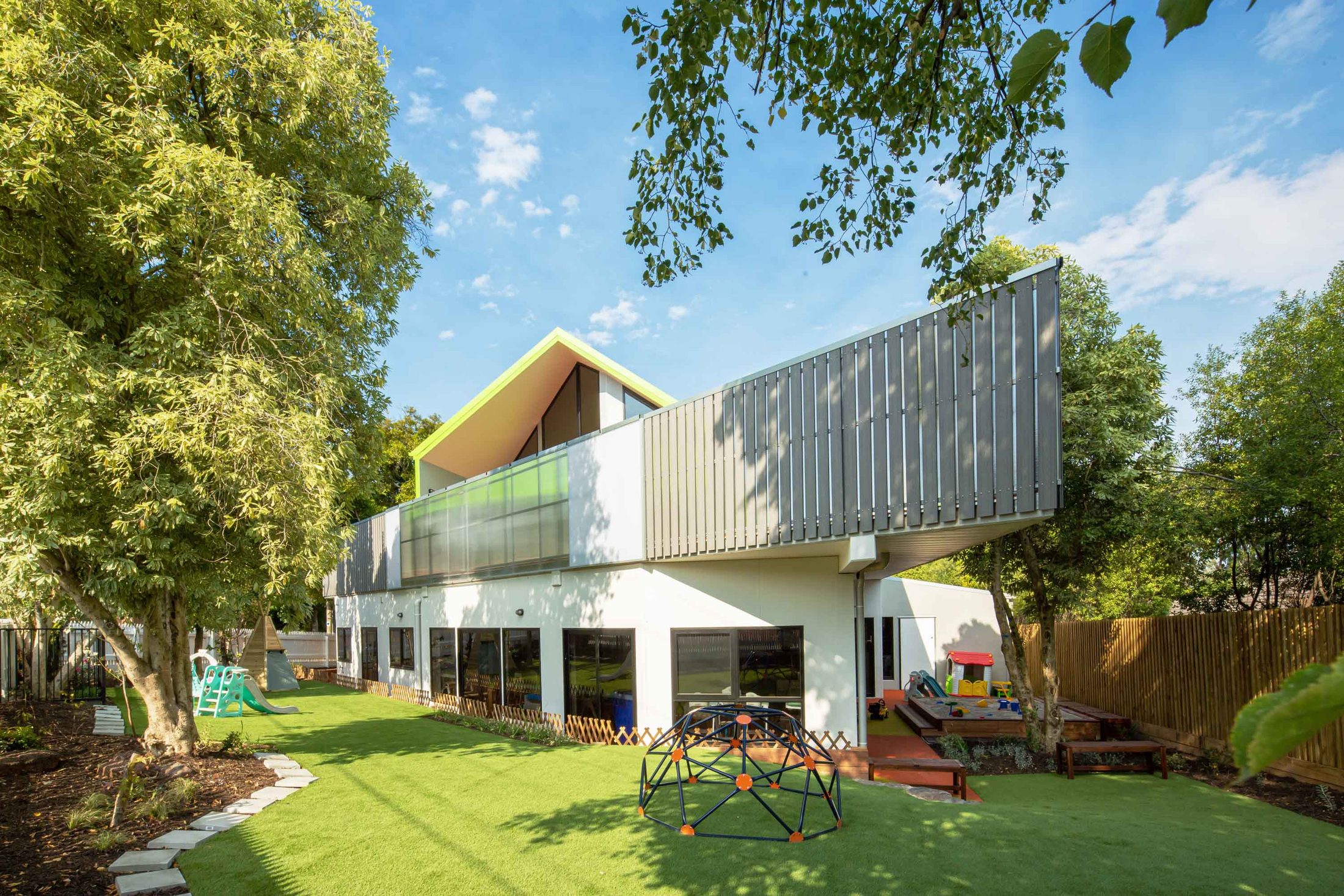
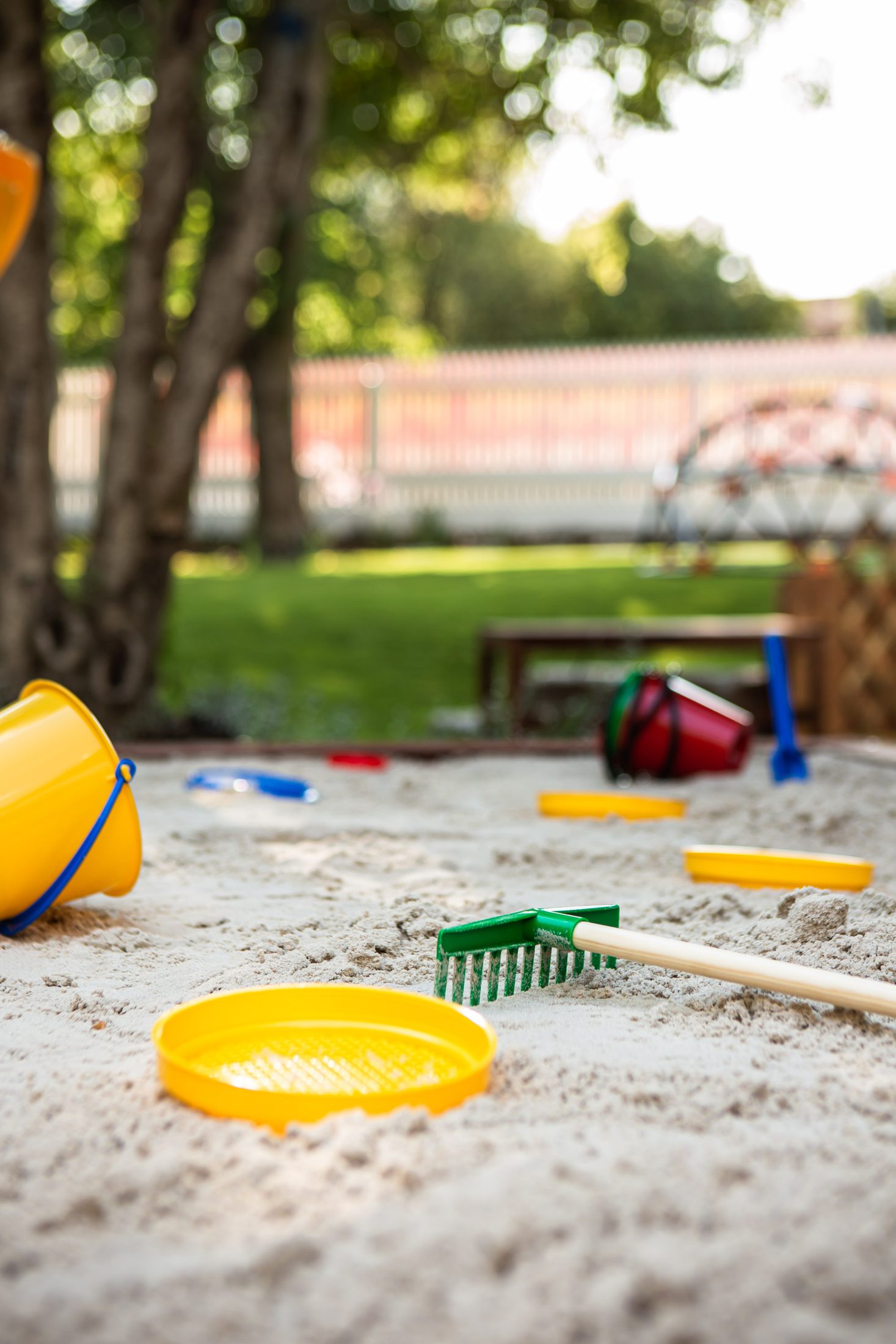
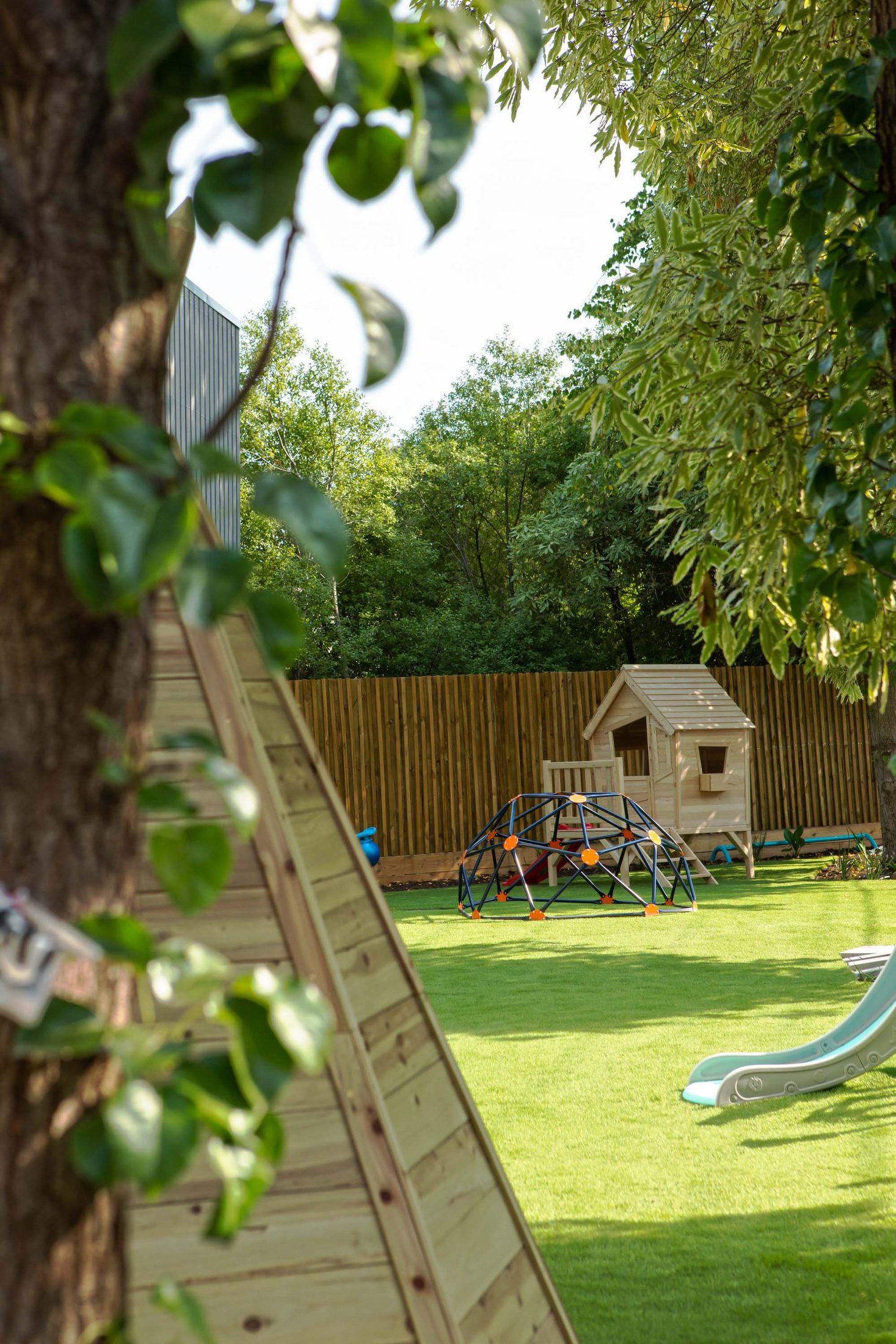
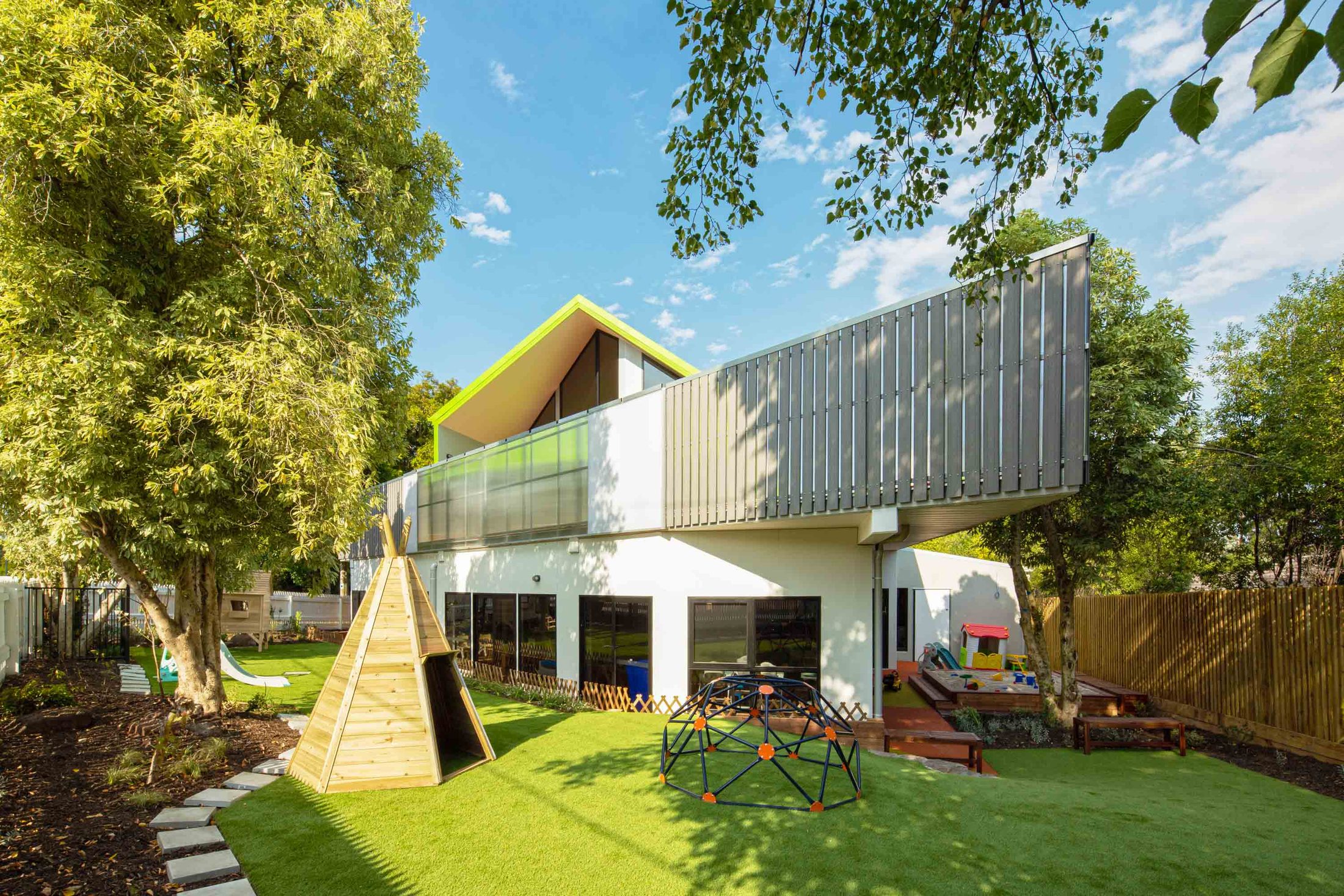
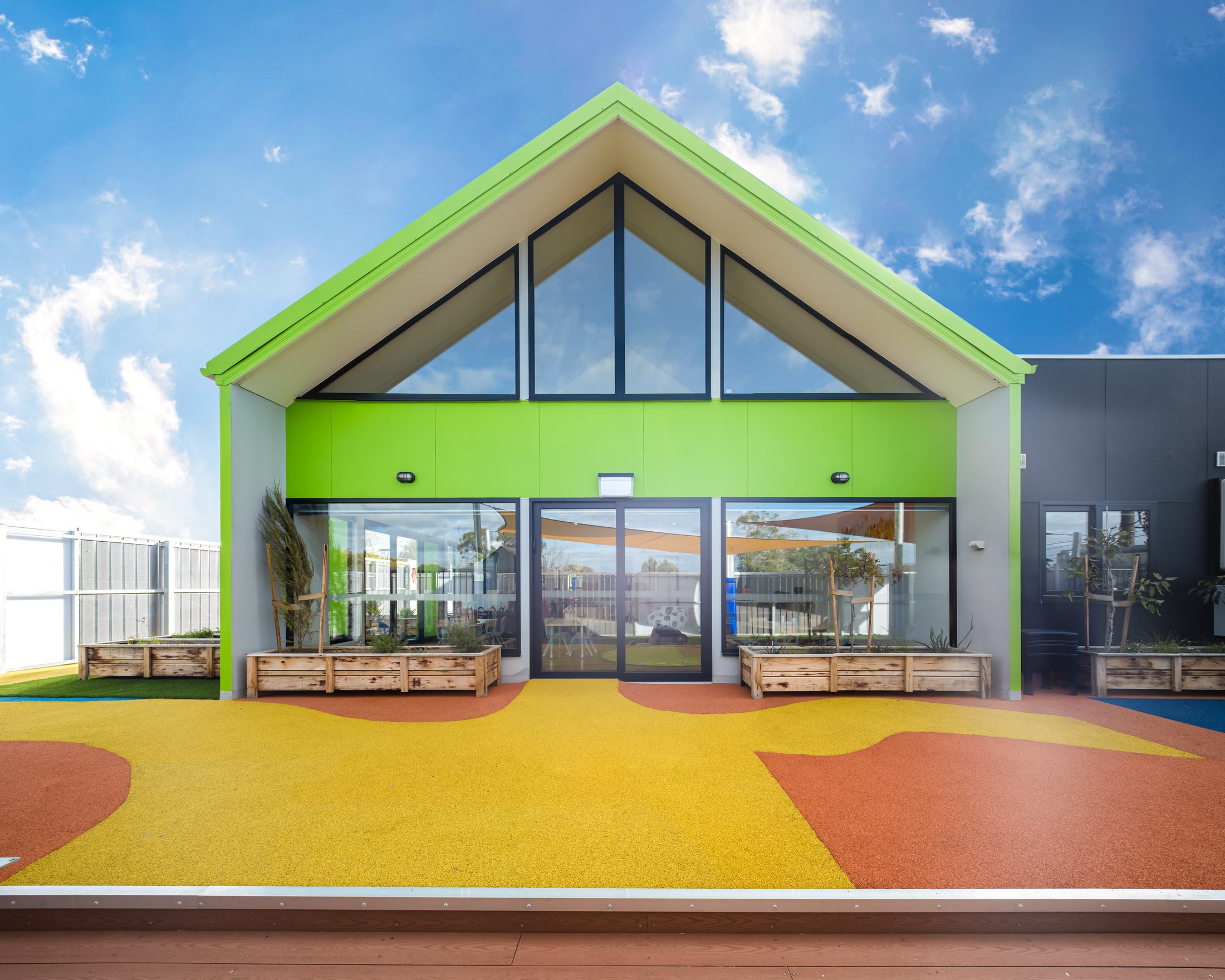
Children’s Corner outdoor play areaPurpose-built Children’s Corner centre

Designed for childhood

Thoughtful spaces. Everyday confidence.

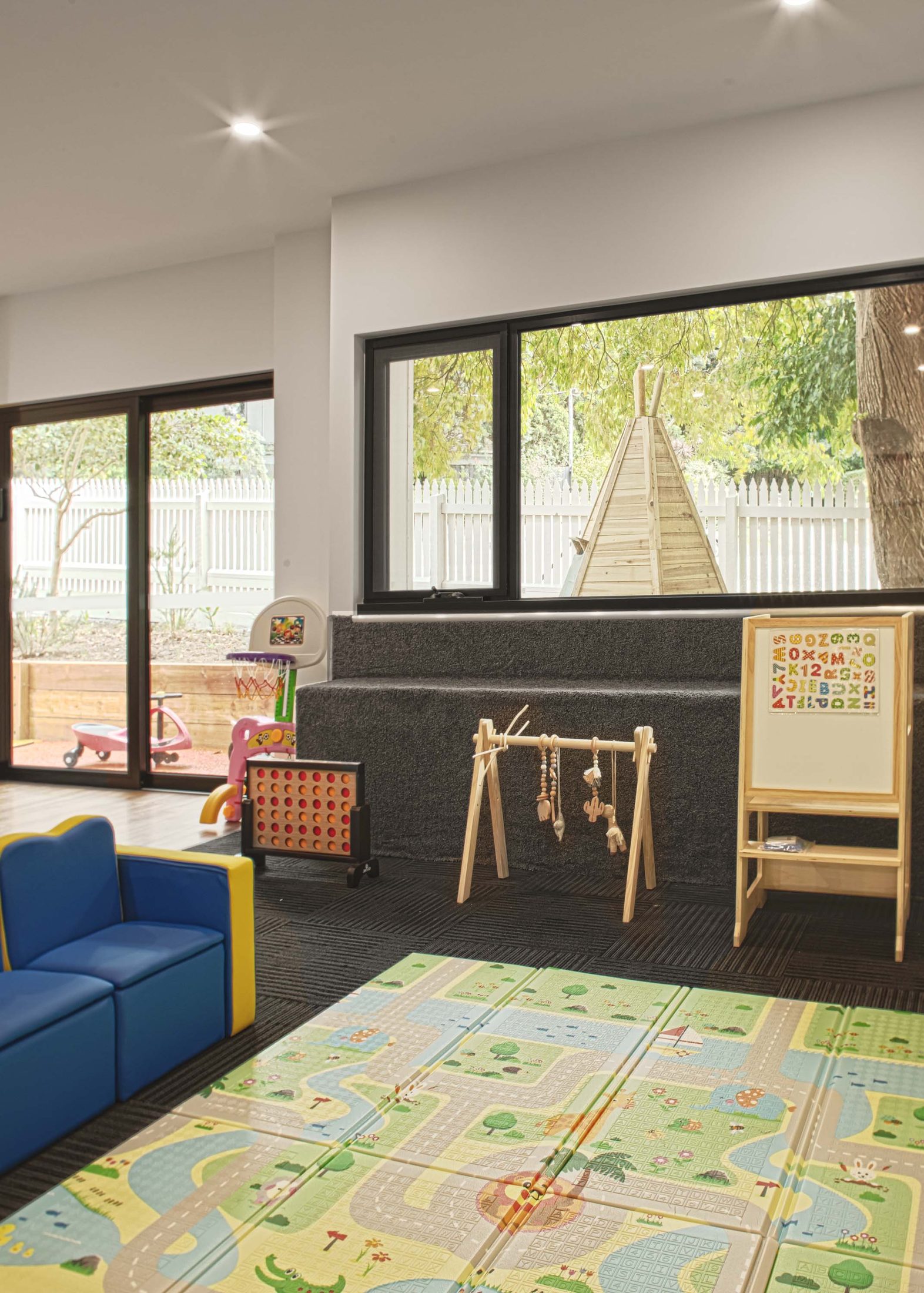
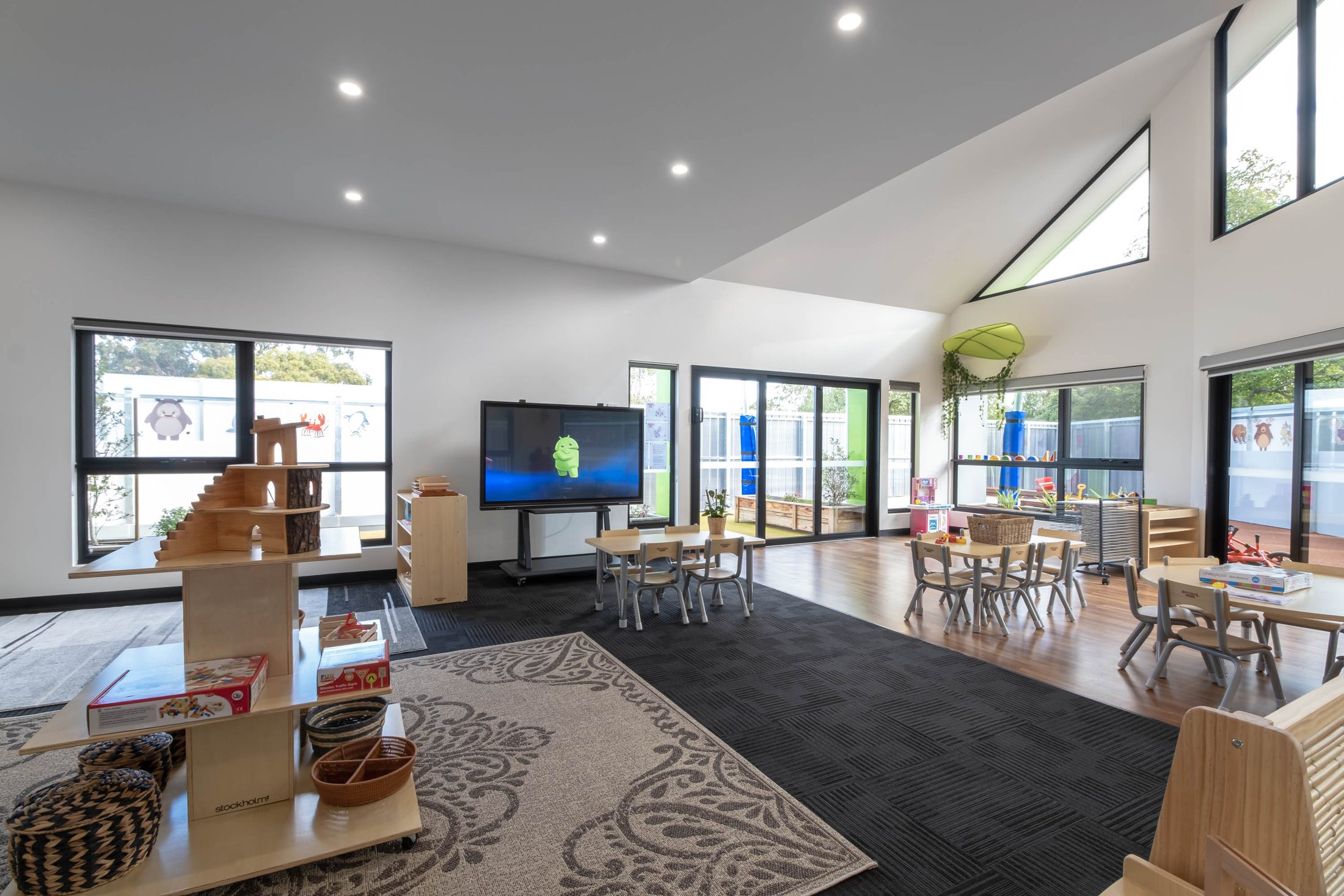
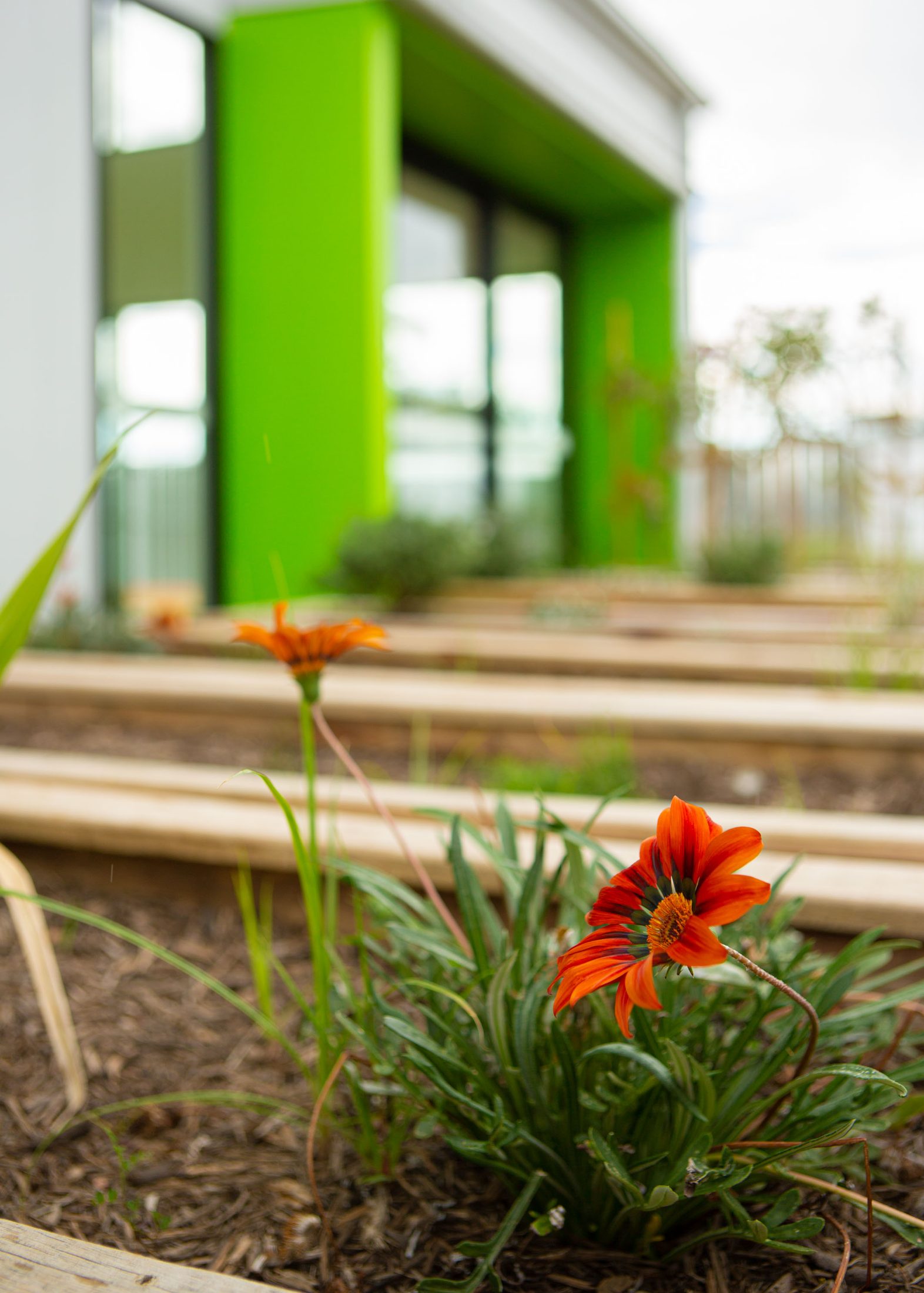
Newly renovated and purposefully built environments help children and families feel relaxed and at home. Inside and out, the centre gives children room to practise independence, make friends and explore.

  • Keypad entry and security system
  • Dedicated early childhood professionals
  • Fresh meals prepared at the centre daily
  • Family updates through a mobile app
Explore our spaces

Made fresh here

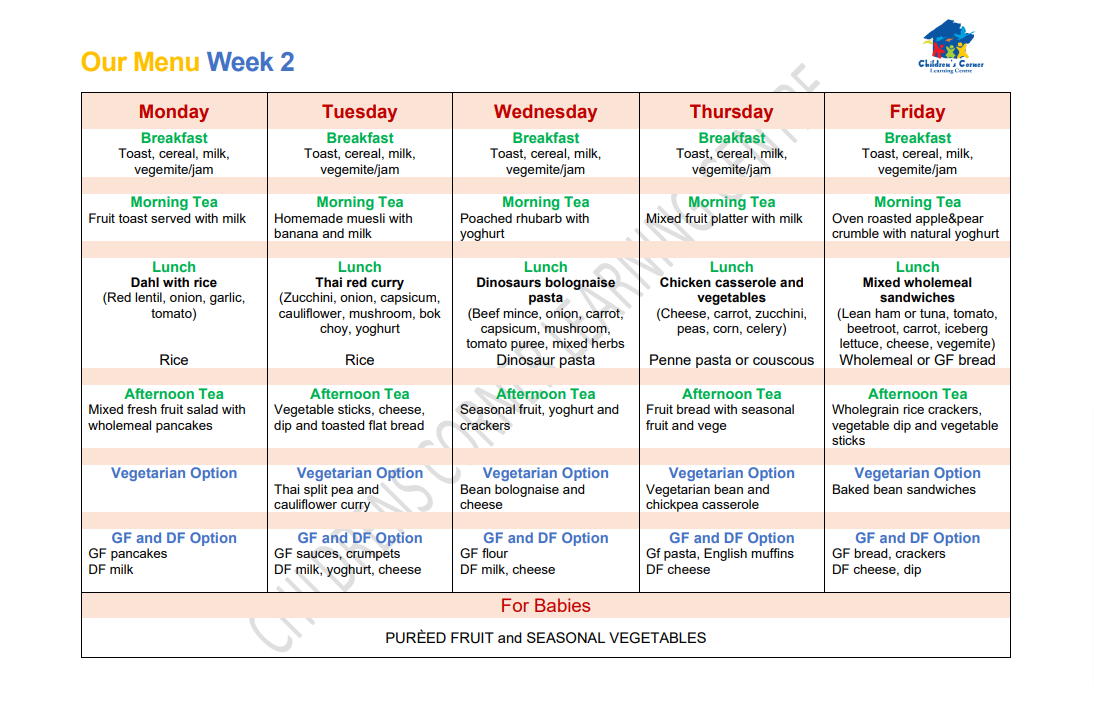
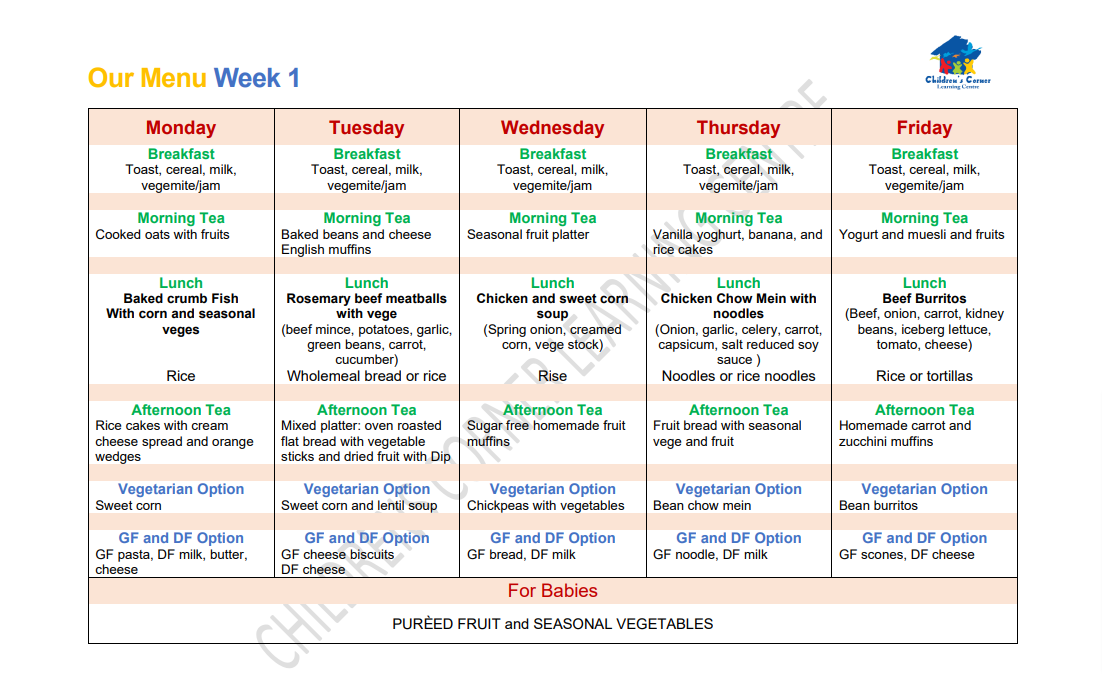
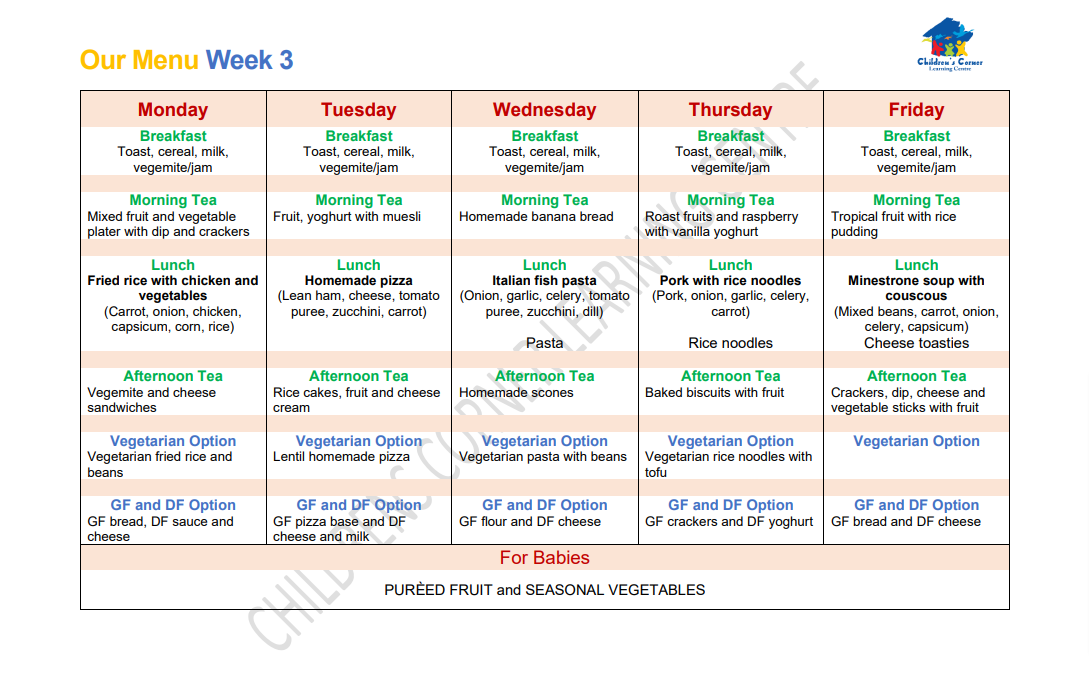
A colourful menu for growing bodies and curious minds.

Children receive freshly prepared, nutritionally balanced meals from a qualified chef, with hot and cold dishes inspired by different cultural backgrounds.

See kitchen & nutrition
Fresh meals at Children’s Corner

Come and say hello

See if this can be your child’s corner.

Visit the centre, meet the team and take a look around the learning environments.

Children’s Corner Ringwood exterior

Original /home page preserved

Children’s Corner Ringwood

Your partners in learning.

Historical launch message

The source page says “OPENING 13th MARCH 2021” and “WEBSITE UNDER CONSTRUCTION”. These lines are retained for completeness but describe the original 2021 launch, not the centre’s current status.

At Children’s Corner Learning Centre we strongly believe in providing an environment for children where they feel safe, secure and supported. We strive to create an ideal learning environment for each child to develop socially, emotionally, physically and intellectually, ensuring that our practices are responsive to the needs and involvement of our children and families.

Enrol now

About Children’s Corner

A relaxed centre where families feel at home.

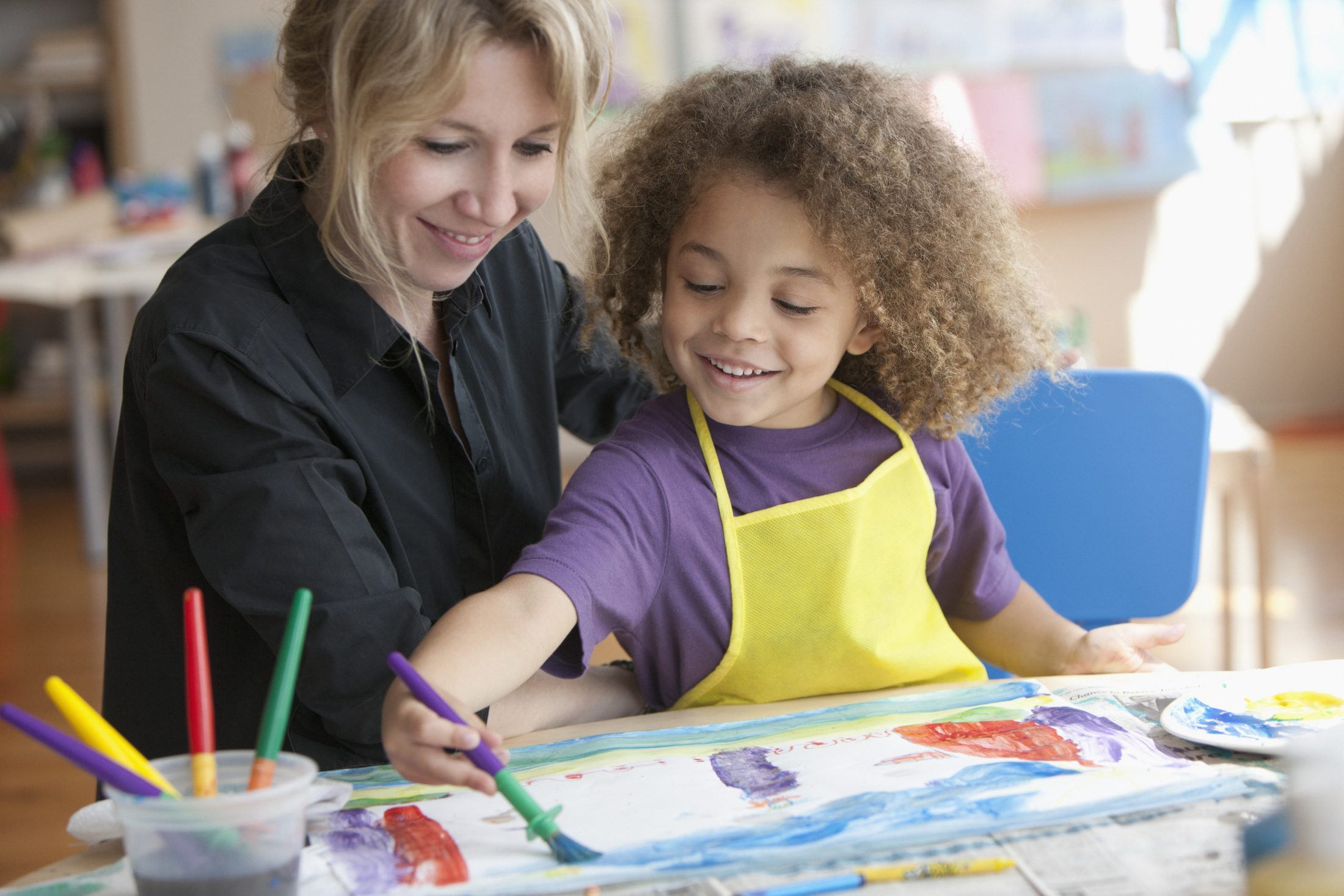
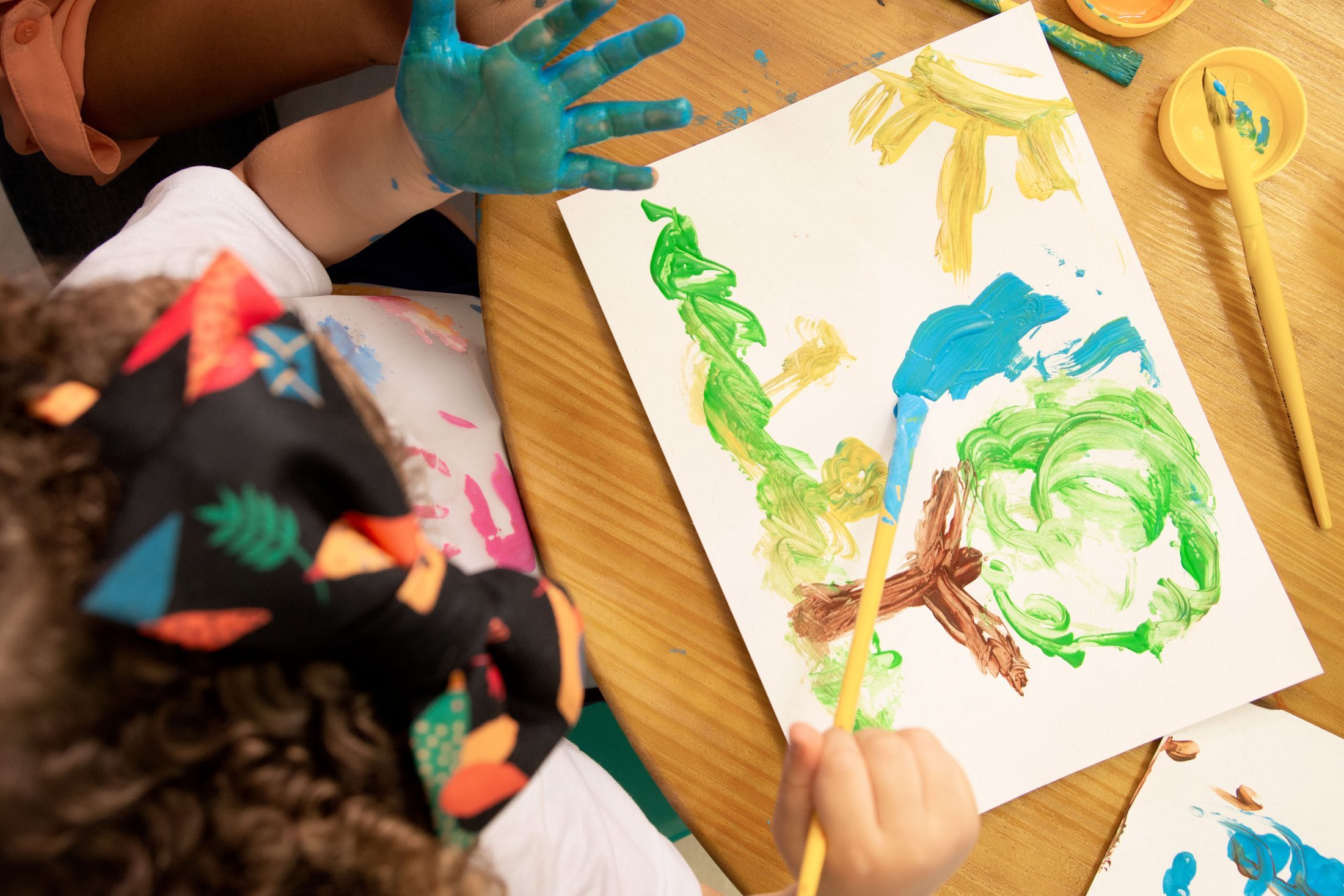
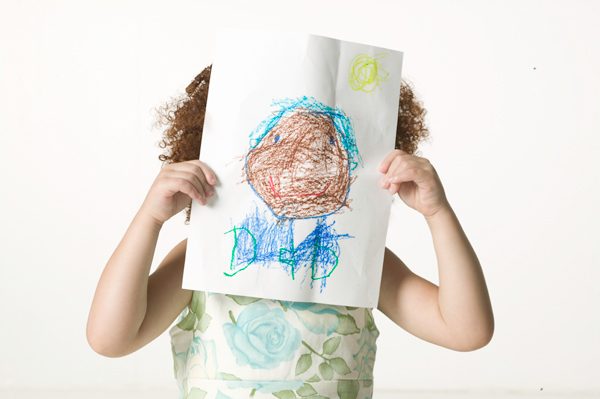
Child enjoying an art class with an educator

Welcome to Children’s Corner Learning Centre

Our centres provide the highest quality care and education within the local area. The Children’s Corner learning environment has a relaxed feel and is friendly and welcoming.

Our newly renovated and purposefully built centres have been specifically designed to make children and families relaxed and at home. Our educators are Early Childhood professionals who are friendly, experienced and have a passionate interest in early childhood education. We value our relationships with the families in our services and endeavour to enjoy sharing this part of the learning journey.

Our philosophy

Play, agency and belonging

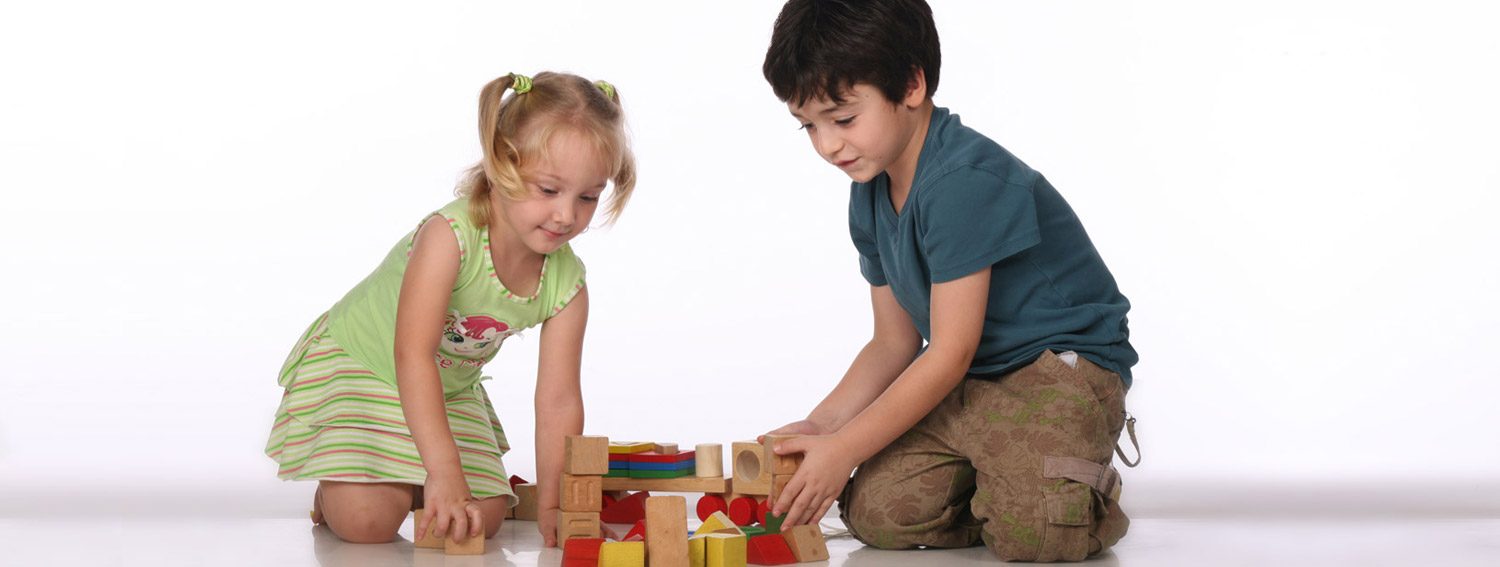
We believe that children learn through play and as such we have created an environment of open ended, explorative and tactile experiences in which children can use their senses to discover, grow and learn. Children are supported to function independently allowing them to respond to their natural instinct to explore and learn to develop their creativity and imagination. Our service aims to promote healthy lifestyles, good nutrition and the well being of all children, ensuring that they are provided with high quality nutritious meals, support with recognising their need for comfort or physical needs, and including physical activity in their daily lives.

Children’s individual routines are incorporated into the program through consultation with families, ensuring that regular communication and routine discussions are responsive to the child’s needs and ever-changing routines as they grow and develop. We believe that providing predictable environments for children supports them to build a sense of trust within their learning environment and form strong attachments with educators. As routines develop, children’s sense of agency is supported to enable them to make positive choices about their place in the world, their routines and engagement; developing an individual sense of responsibility, confidence, independence and a healthy self-esteem.

We support children in learning how to regulate their own behaviour as well as ensuring children are acknowledged for positive decision-making in regards to their behaviour, including communicating effectively when resolving disagreement with others, developing a strong sense of empathy and kindness as well as building a strong sense of democratic and ethical principles. We believe in learning by example and therefore use role modelling as well as positive reinforcement to encourage children to engage in co-operative, pro-social behaviour, build their resilience and feel safe and confident to respectfully express their feelings.

Our focus is to build on each child’s strengths, whilst recognising and supporting the child’s developmental journey, providing an opportunity for children to visually see and celebrate their achievements and receive acknowledgement and encouragement in their future endeavours.

Our service promotes and values cultural diversity and equality for all children, families and educators, respecting the expertise of parents in their knowledge of their child, and supporting parenting competency. We respect the existing and emerging identity of the child in context of their family and we aim to support and guide them in their exploration of different identities, points of view and family practices, guiding children in their sense of respect and appreciation of others. We have a great sense of community within our centre and hold family input and involvement in the highest regard. We believe families are the most important people in their child’s life and we welcome them to share their journey here with us.
Our centre

Practical support for joyful, secure days.

Purpose-built spaces, professional care and enriching sessions for children in Ringwood.

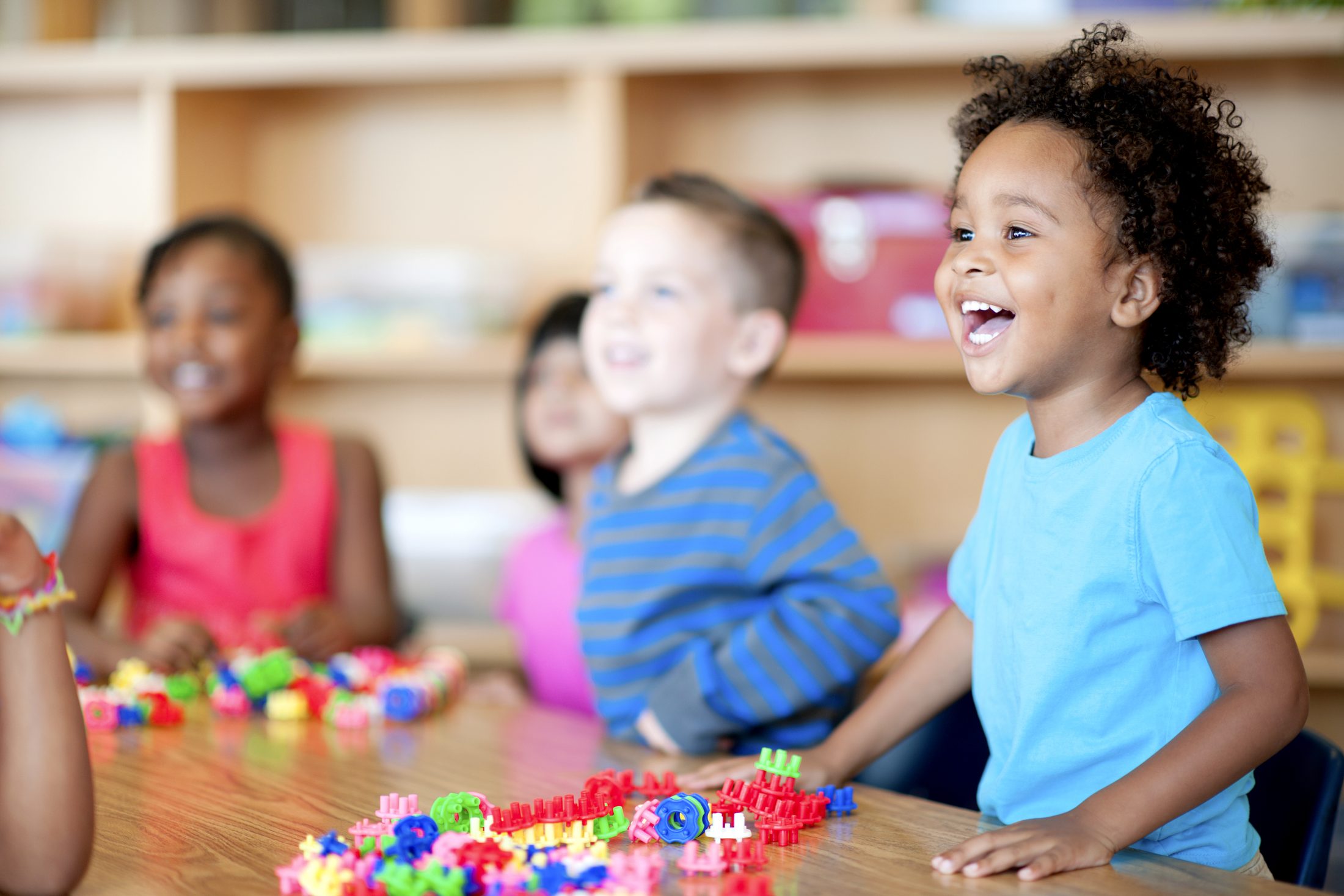
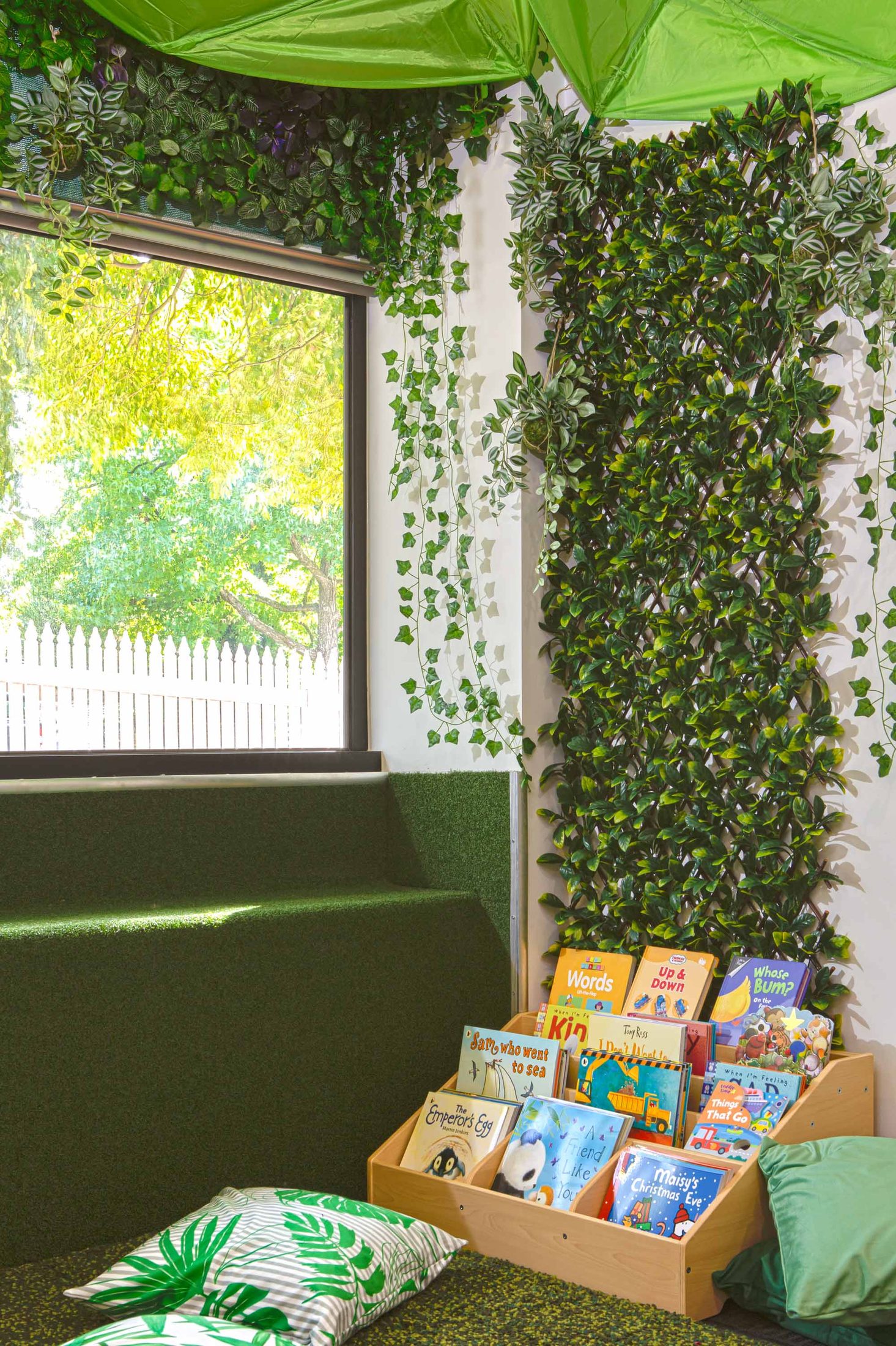
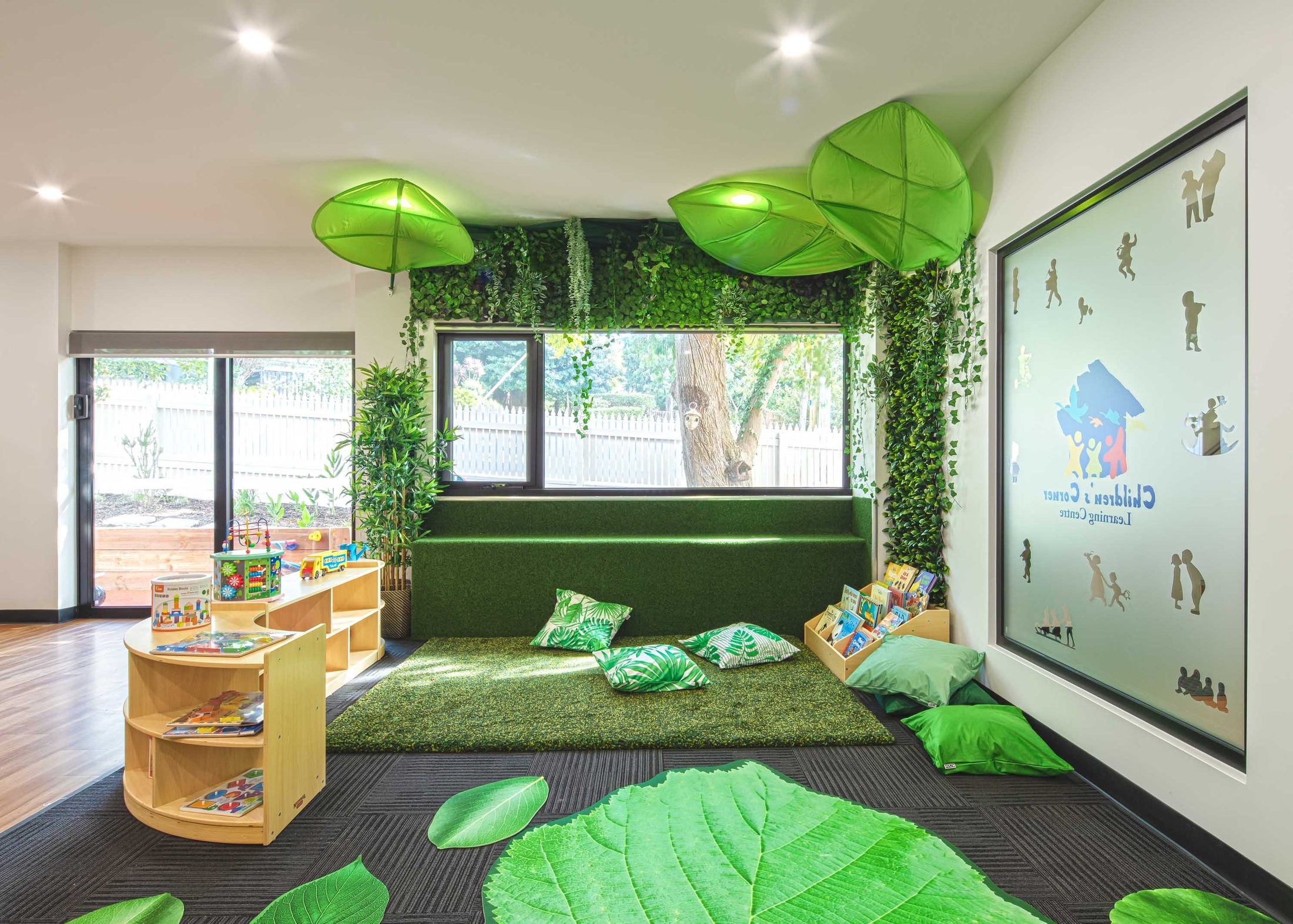
A bright Children’s Corner learning room

Services

  • Family ownedFamily owned and operated centres in Ringwood
  • Purpose builtPurpose built centres
  • Secure entryKeypad entry and security system
  • Professional teamA team of dedicated early childhood professionals
  • Fresh foodNutritionally balanced meals prepared at the centre daily
  • EnrichmentLanguage, music and dance sessions
  • KindergartenKindergarten program for 4–5 years old, which includes “School Readiness Program”.
  • Daily connectionMobile phone app that updates your child’s daily experiences in child care.
Child doing an art and practical activity

Hands-on learning

Cooking is science, maths, creativity — and something delicious.

Cooking

Cooking is not just making food, through which the educator is teaching science in action; helping to lay down basic math, reading and time-telling skills; encouraging healthy food choices; building confidence and creativity; enhancing communication and deepening connections with children. Indeed, cooking with little ones is nothing short of awesome.

Science in actionConfidence & creativityHealthy choices

Contact us

Let’s start with a conversation.

Register your interest, ask a question or arrange a visit using the centre’s public contact details.

Register now

Have questions or suggestions?

The original website includes a Wix contact form and a “Thanks for submitting!” success message. This independent static concept does not send or collect personal information.
Please email or call the centre directly instead.

Music & movement

Learning you can hear, feel and move to.

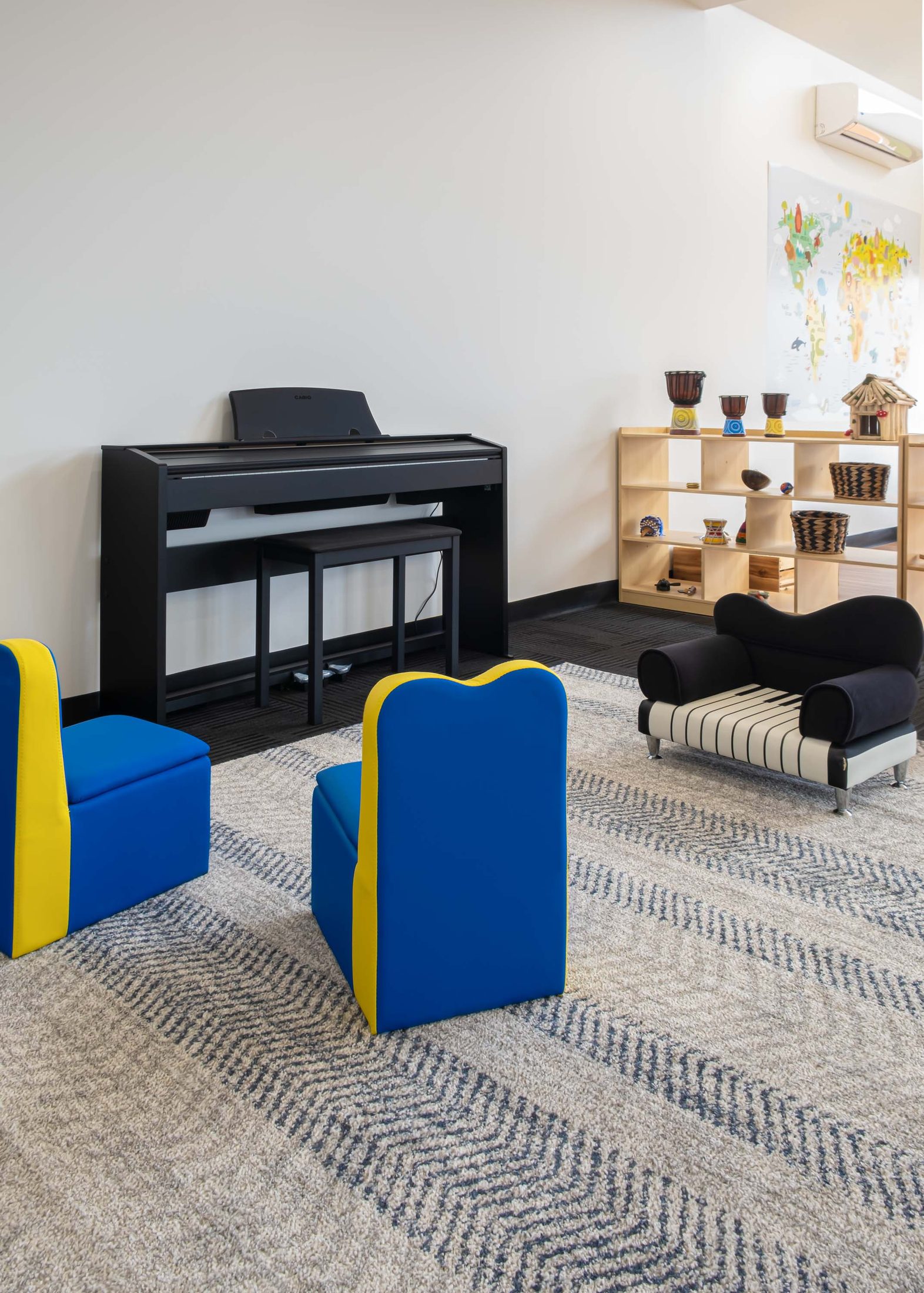
Children’s Corner music program

Music and Movement Program

Music and musical activities support childrens learning and development in early childhood. Music is a universal source of pleasure and we know that music triggers positive emotion, aids wellbeing and self-regulation for children and should be a core part of every high-quality early childhood program.

Being involved in a musical program helps the body and the mind work together. Exposing children to music during early childhood development helps them learn the sounds and meanings of words. Dancing to music helps children build motor skills while allowing them to practice self-expression.

Family support

Child Care Subsidy

Start with current government guidance, then review the centre’s original archived information below.

Important — figures below are historical

The source page refers to projected family income for FY18/19 and thresholds from that period. Child Care Subsidy rules and amounts change. Do not rely on those figures for a current claim.

Check current Services Australia guidance

How to make a claim to Centrelink for Child Care Subsidy

Make a claim to Centrelink regarding CCS assessment for your family:

  1. Register for CCS through your MyGov account and provide Centrelink with your projected family income for FY18/19, your activity levels, and the name of the child care centre your child will enrol at.
  2. You will then receive a notification from Centrelink informing you of your new CCS percentage and hours of subsidy.

What you need to know

Combined family income

Your family’s combined income will calculate the CCS percentage you’re entitled to. Remember, you will need to contact Centrelink when your combined income increases or decreases.

Family incomeCCS %
$66,95885%
$66,958 – $171,958Subsidy reduces 1% for every $3,000 over $66,958
$171,958 – $251,24850%
$251,248 – $341,248Subsidy reduces 1% for every $3,000 over $251,248
$341,248 – $351,24820%
$351,248+Nil

These tax brackets will be adjusted as per CPI every financial year.

Level of activity

CCS is linked to how much a family contributes to the Australian economy through activity. This activity level is calculated from the parent with the lowest number of hours of activity.

Hours of activity (per fortnight)Maximum hours of subsidy (per fortnight)
8 hours to 16 hours36 hours
16 hours to 48 hours72 hours
More than 48 hours100 hours

What counts as activity?

Under the new system, you will only be able to access the Child Care Subsidy if you are doing suitable activity and the amount of activity will then determine how many hours of Childcare Subsidy you are eligible for.

Activity counts as:

  • Paid work (including unpaid lunch breaks)
  • Commute time from childcare centre to work (excludes time travelling from home to childcare centre and vice versa)
  • Authorised leave (eg maternity leave, long service leave, annual leave etc)
  • Unpaid leave of up to 6 months
  • Unpaid work in a family business
  • Setting up a new business
  • Study
  • Training and study (includes semester breaks)
  • Work experience/internships (whether paid or not)
  • Volunteering
  • Looking for work (eg internet research, contacting employers, preparing resumes/letters of application, preparing for and attending job interviews, travel time for interviews)

Concerned you won’t have enough activity?

There may be some families that lose the level of childcare funding support they have become used to as a result of the activity test. However, the original page notes:

  • Activity is based on the family’s estimate over a thirteen week period
  • For casual/contract/itinerant workers whose hours may vary from week to week, you should pick the week with the highest level of activity in the thirteen week period and use that as your level of activity
  • You can go onto myGov and change your activity level at any time
  • Families earning less than $64,710 are exempt from activity tests for up to 24 hours care per fortnight

The new caps

The current cap of $7,500 per child has been updated depending on your family’s combined income.

  • Families earning less than $186,958 = no cap
  • Families earning $186,958 to $351,248 = $10,190 cap
  • Families earning over $351,248 are not eligible for CCS

Note: the government will be holding back 5% of CCS paid to families until reconciliation at the end of every financial year. This balance will be paid back to families in their tax return if they are eligible.

Joining the centre

How to enrol

A clear path from your first visit to orientation day.

  1. 01

    Visit the centre

    Contact the centre to arrange a visit to familiarise yourself with the centre and meet the staff. Visit our Contact page for contact details.

  2. 02

    Complete your forms

    Complete all details on the Enrolment Form and Direct Debit Form.

  3. 03

    Arrange CCS

    Arrange Child Care Subsidy (CCS) assessment by Centrelink through MyGov. Review our CCS information and current government guidance.

  4. 04

    Read the handbook

    Read the Parent Handbook.

  5. 05

    Confirm orientation

    Phone to confirm booking arrangements and orientation days.

Children’s Corner Ringwood centre

Book a tour

See the centre in person.

The original online booking page currently says “Nothing to book right now. Check back soon.” This concept does not invent appointment availability.

Call or email the centre directly to ask about a tour.

Fresh fruit and nutritious food

Kitchen & nutrition

Fresh food, prepared here every day.

Kitchen & Nutrition

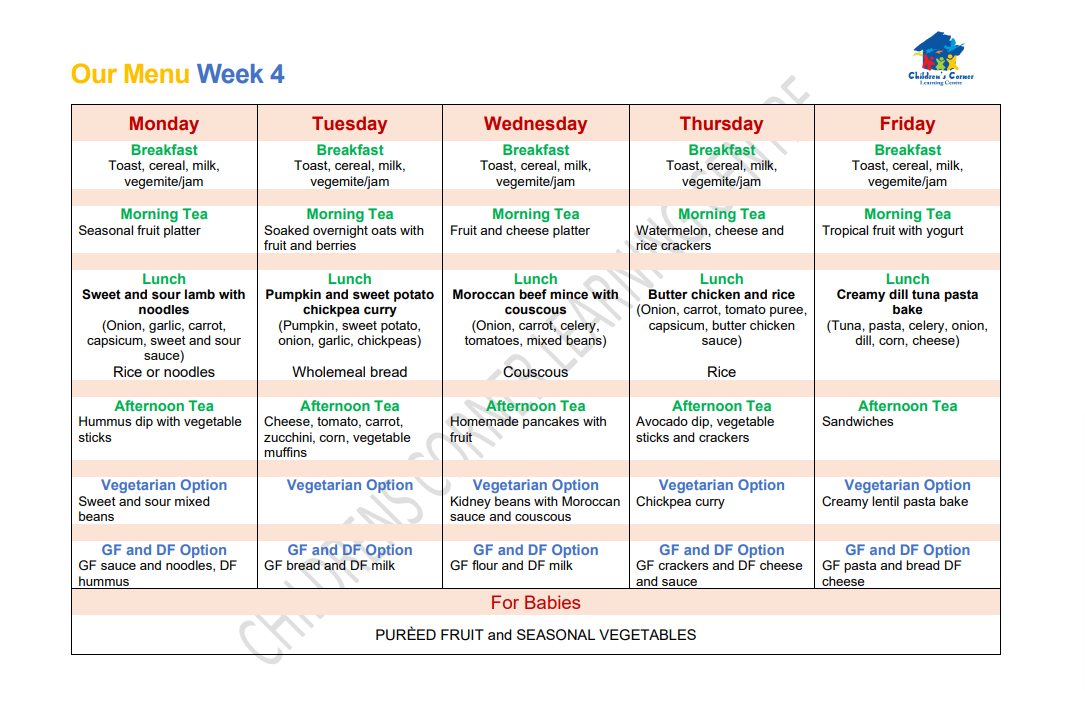
Children are provided with freshly prepared meals that are nutritionally balanced by our qualified chef on a daily basis. Hot and cold meals are served from a variety of different cultural backgrounds to enhance their learning experience during meal times by exposing them to multiple colours and textures.

Meals and menus are produced on a 4 weeks rotational basis and can be viewed at the centre.

Learning to be together

Social skills for real childhood moments.

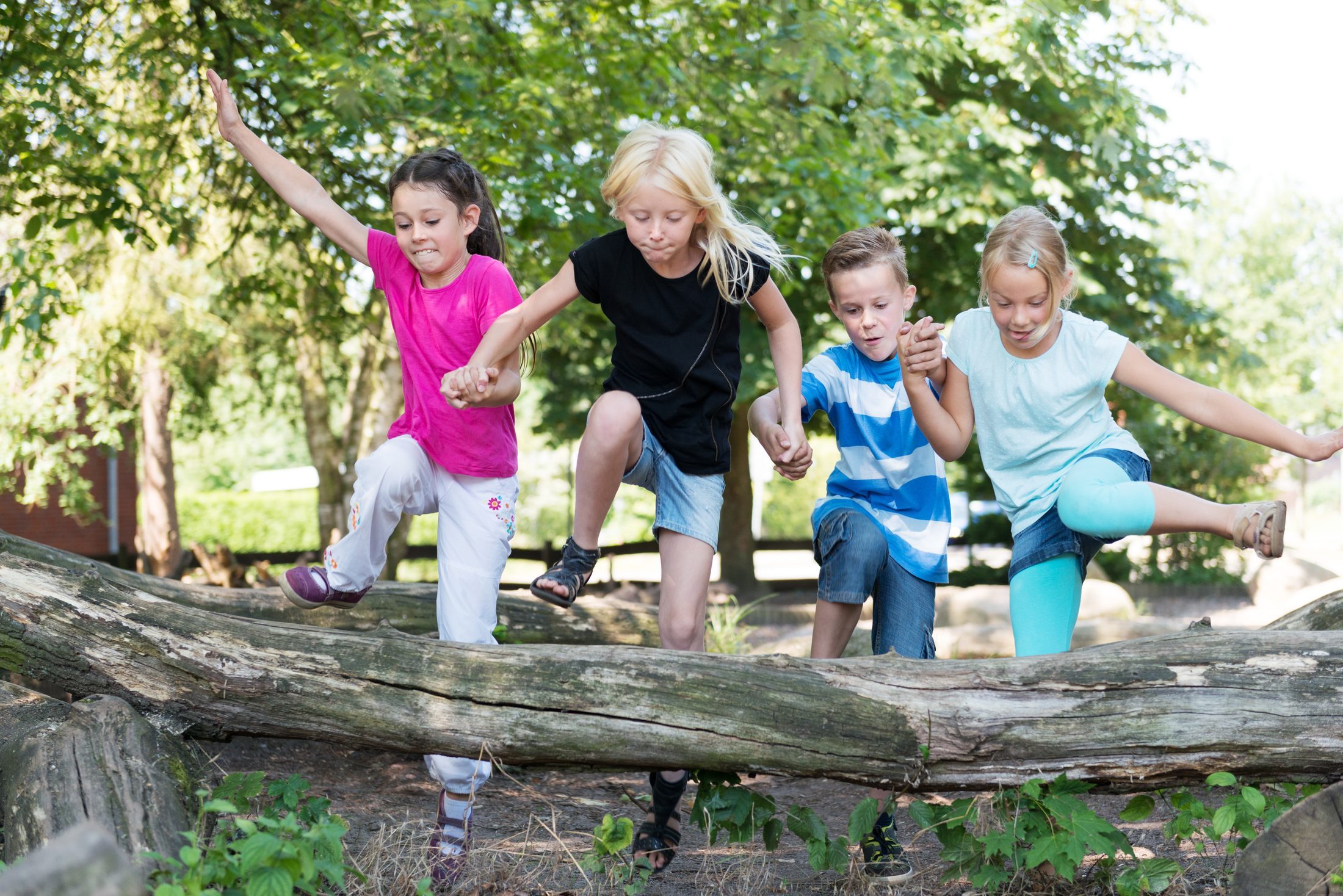
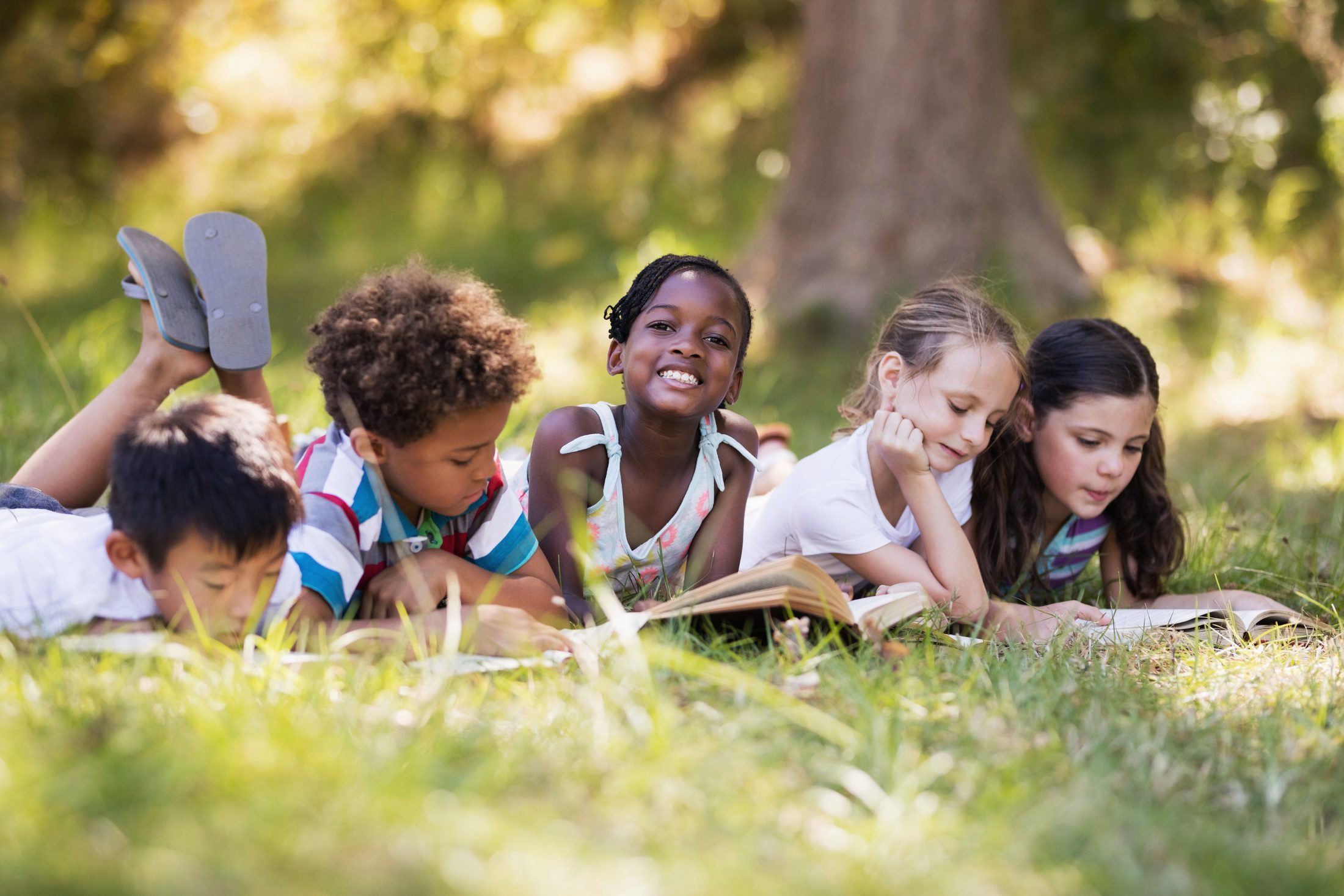
Children reading together outdoors

PALS Social Skills program

We will provide a PALS Social Skills Program to the children in Little Explorer 1 and 2, Junior Explorer and Explorer. The PALS Social Skills Program teaches children about greeting others, listening, sharing, taking turns, dealing with feelings of fear, sadness and anger, and solving problems.

Learning social skills like these in early childhood is just as important as learning numeracy and literacy. The early childhood and early school years are when children start to make friends, learn to cooperate with others and begin to solve social problems. Like all skills, some children develop social skills more easily than others. Social skills are of the utmost importance for children's future development.

The PALS Social Skills Program teaches children constructive ways to solve problems that arise in social situations. This is done through stories acted out by puppets, video scenarios, probe questions, role-play activities and songs. Teachers are provided with detailed information on how to implement the program and run the sessions and parent information sheets for each session will help to support the program at home.

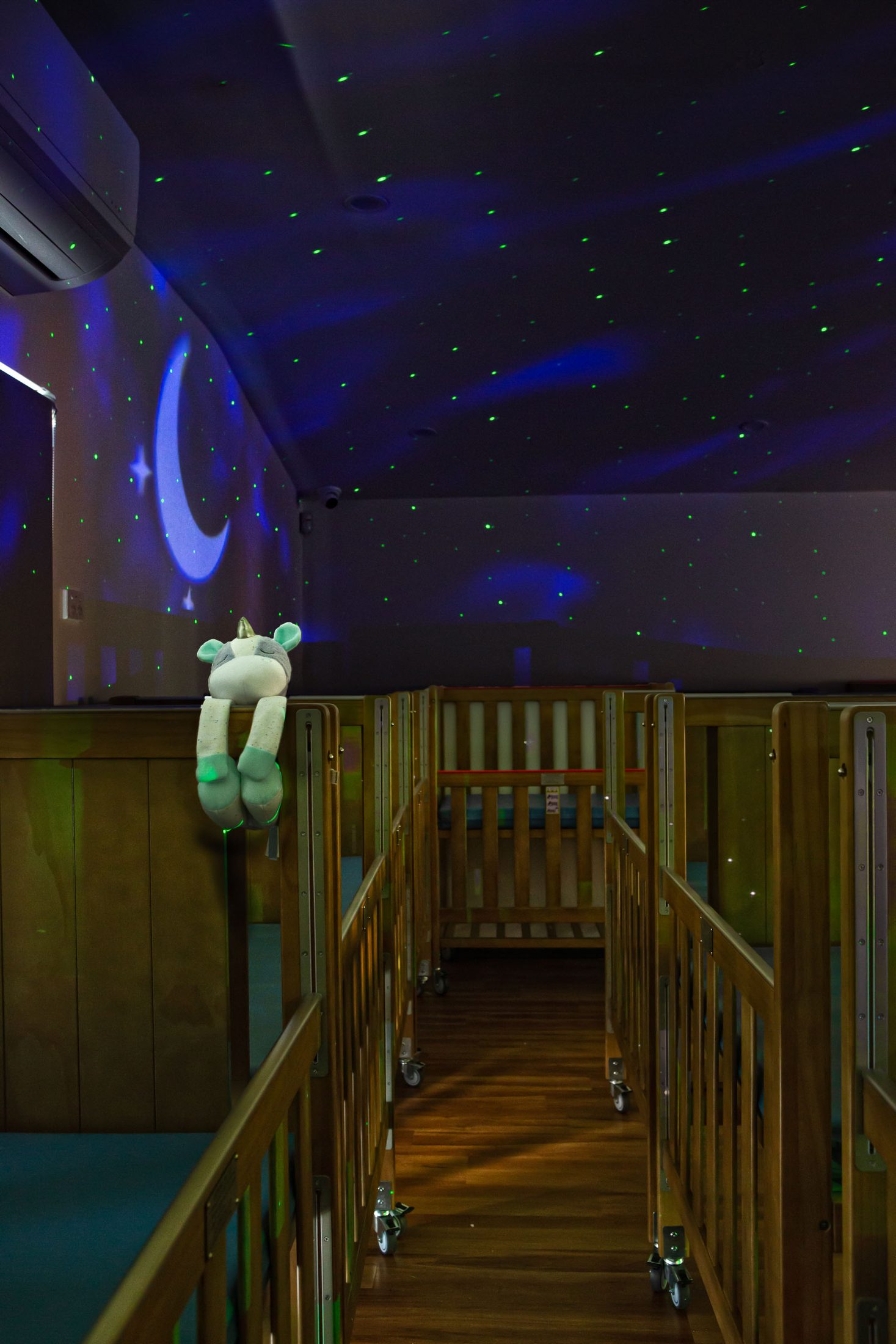
We also have a specialised projector which is very safe for children’s eyes that we are able to use while introducing this program for the children.

Greeting othersListeningSharingTaking turnsUnderstanding feelingsProblem solving

Montessori pedagogy

Capability grows one purposeful step at a time.

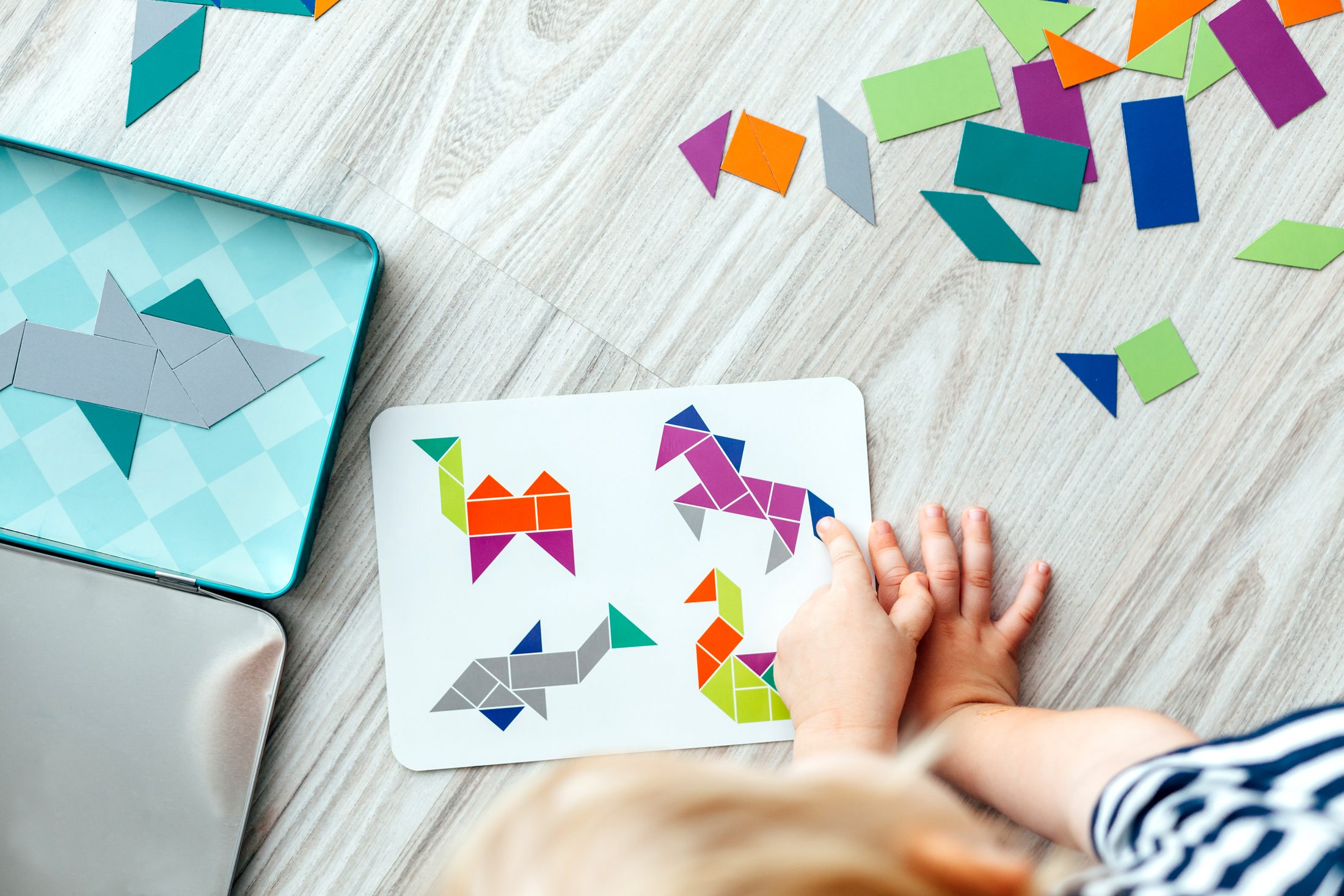
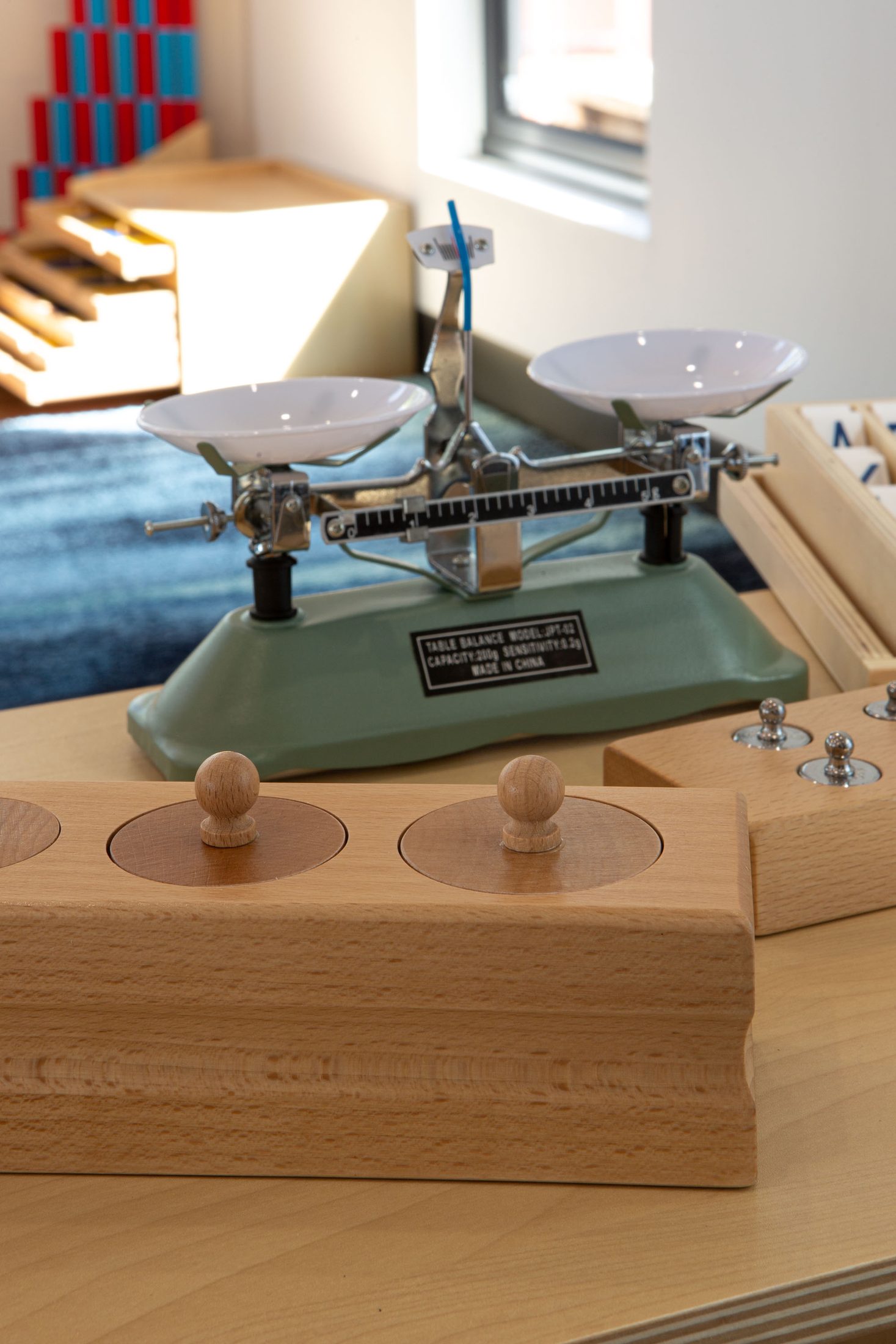
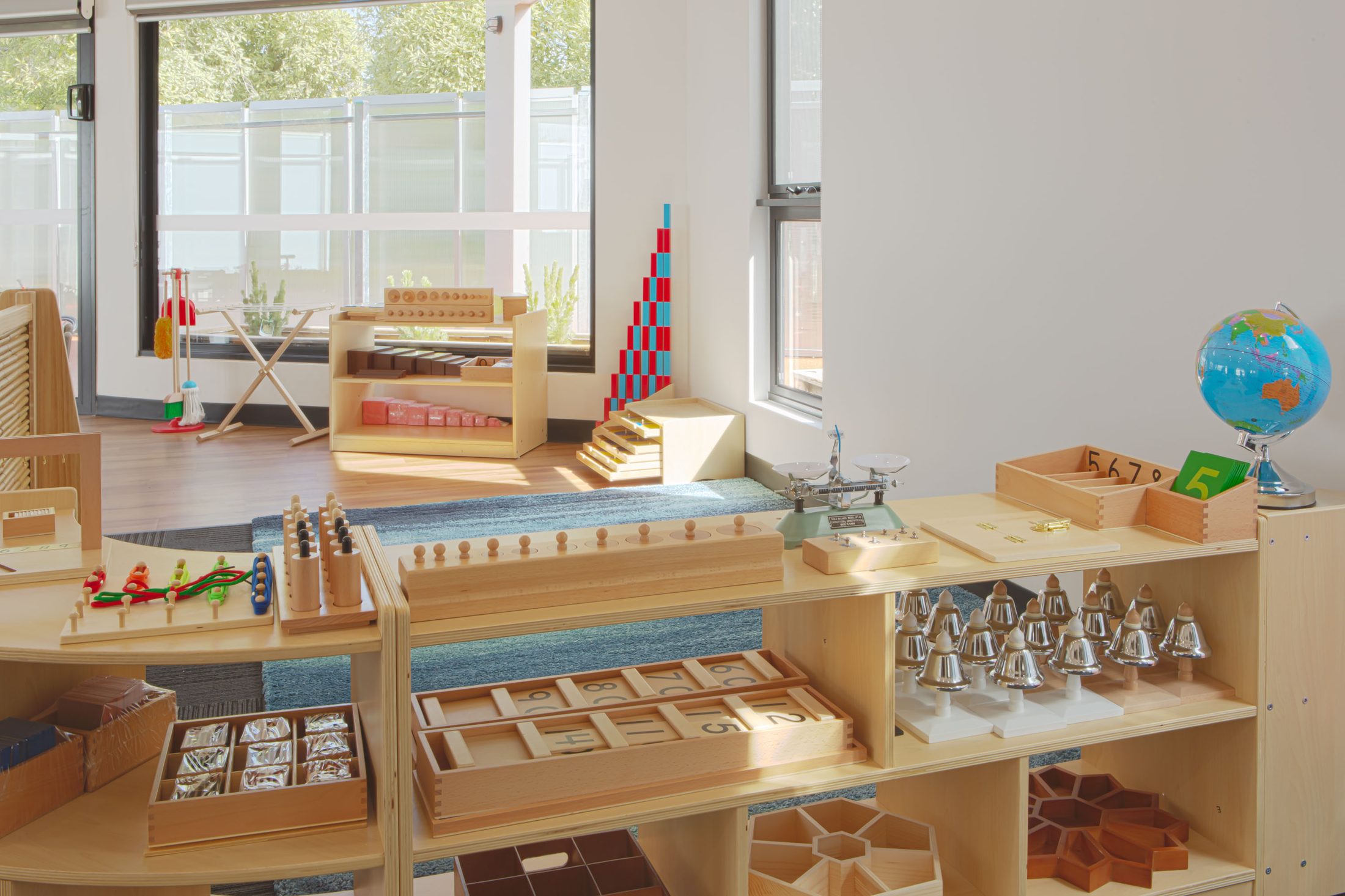
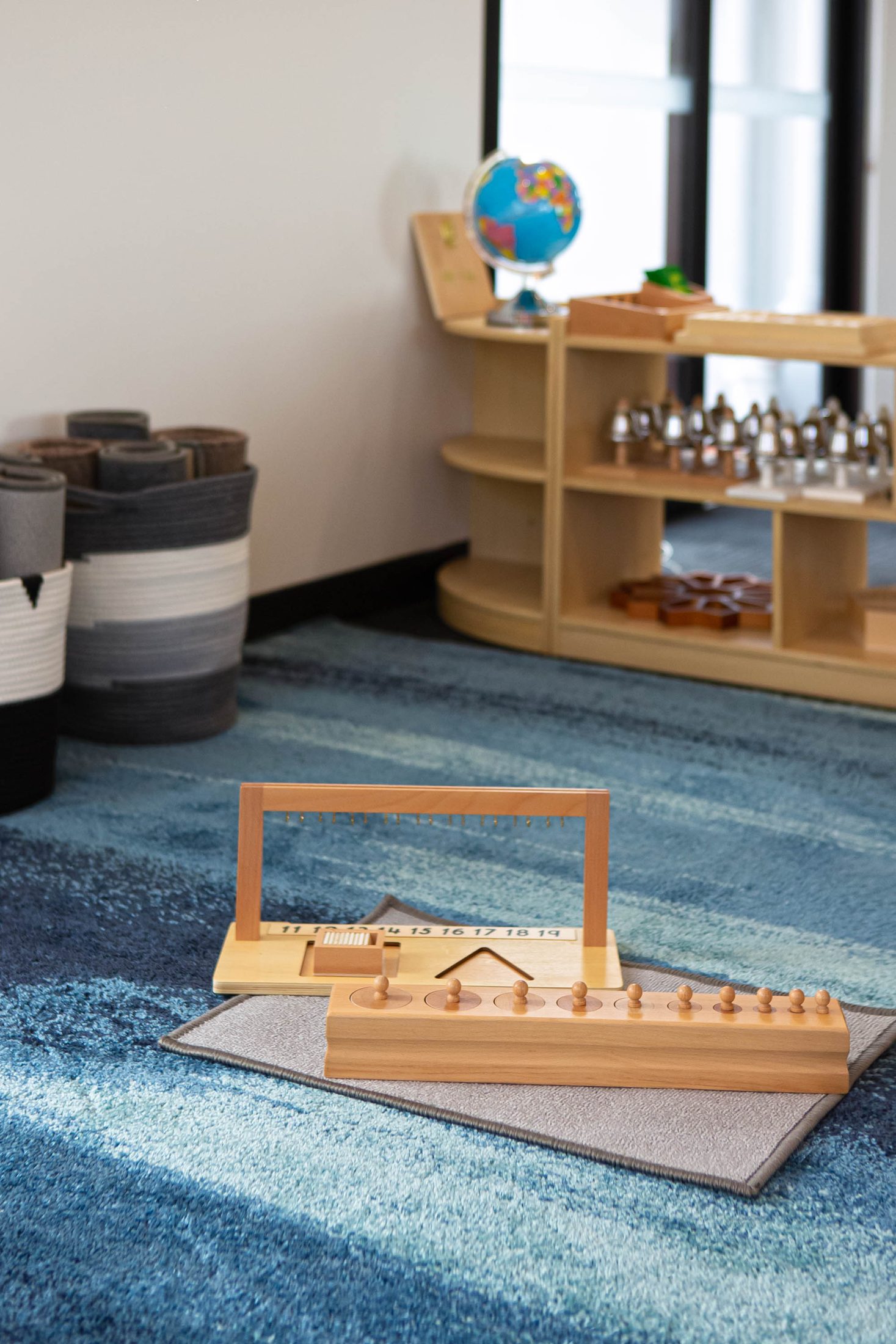
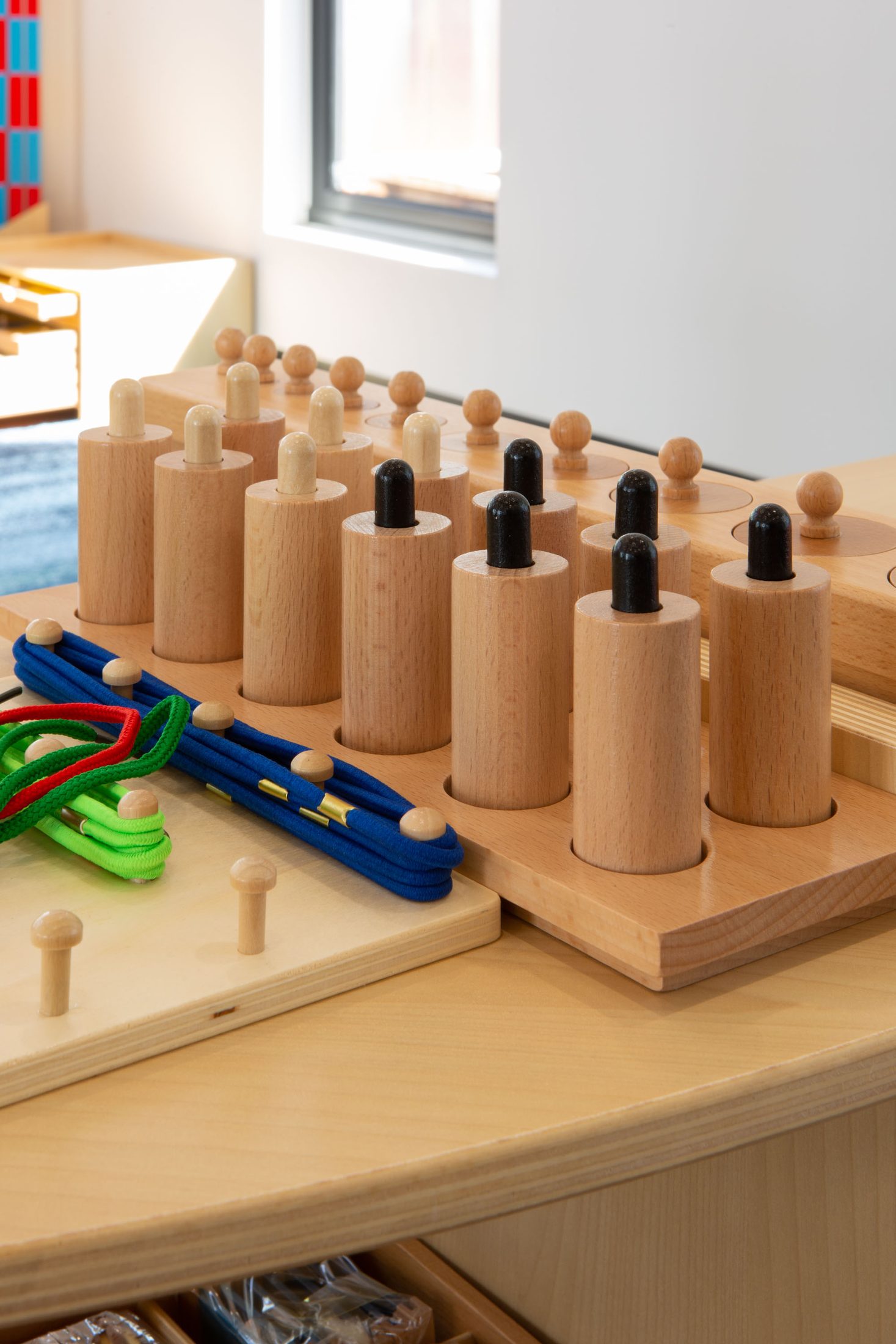
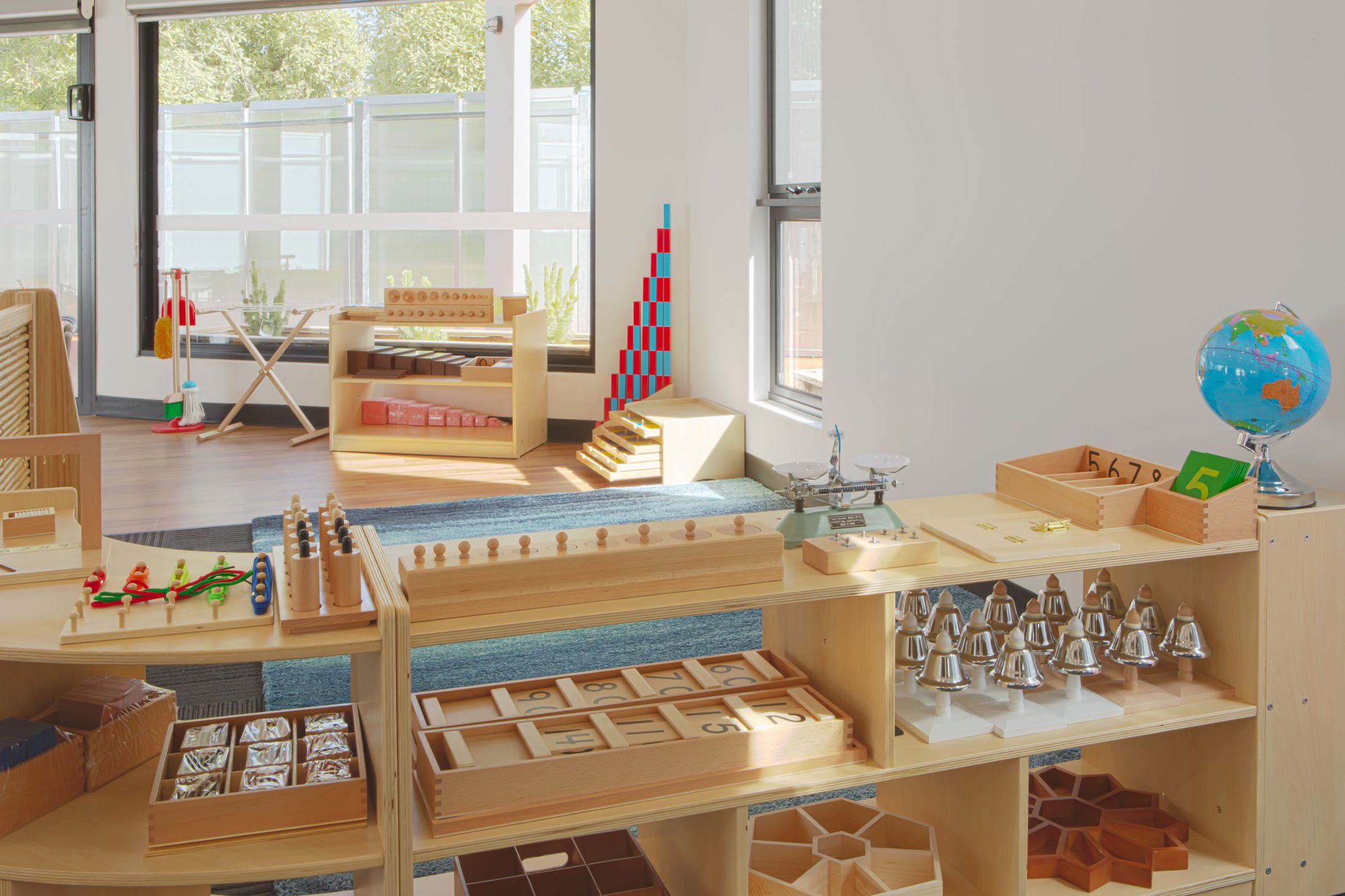
Montessori learning materials at Children’s Corner
01

Independence and self-esteem

Children will spend a lot of time with practical life exercises, which help develop the ability to take care of their own needs, care for the environment, to dress and undress, to have cooking experience, and to pour water. The materials are designed, and the educators trained, to help the child learn how to break down the required actions, to perform them step-by-step, and to do them repeatedly. For example, the dressing frames isolate the skill of buttoning with an attractive material, children enjoy buttoning and unbuttoning, over and over, until they master the skill.

02

Concentration skills

Learning, in Montessori, is not an adult-led process of transmitting knowledge, but rather a process whereby the child teaches himself. The educators act as a guide. The first skill a child needs to acquire is an ability to sustain attention, to concentrate. By offering activities which the child is naturally interested in, and which lend themselves to repetition, makes it an enjoyable process where the child learns to focus and appreciate the developing ability to solve problems independently.

03

Mature social skills

In Montessori environment, children are taught to respect each other and to act with grace and courtesy, to walk around another child’s mat, to avoid interrupting when others are speaking, to say please and thank you. Like everything else in the learning environment, social interactions are voluntary, children choose whether to work alone or together, whether and when to share. Under the expert guidance of the educator the classroom becomes a civilised social environment where children appreciate each other.

04

Academic skills

Children learn handwriting and reading by a similar, carefully sequenced process. For instance, children use sandpaper letters and sound games to associate sounds with alphabetic symbols. They naturally develop a sense of quantity by encountering numbers everywhere in their environment, counting snack items, arranging rods by length and then explore a wide range of math materials to further develop their skills.

404

This little corner is still waiting to be discovered.

The page you requested does not exist in this concept.

Return home
Original page content record Complete public-source copy & links

This archival record preserves the exact public text and link destinations found during the redesign audit. Time-sensitive statements are retained as source history, not current advice.

12

6

9

10

14

8

11

S0688909-1

4

13

7

2

garden9

CallBook a tour